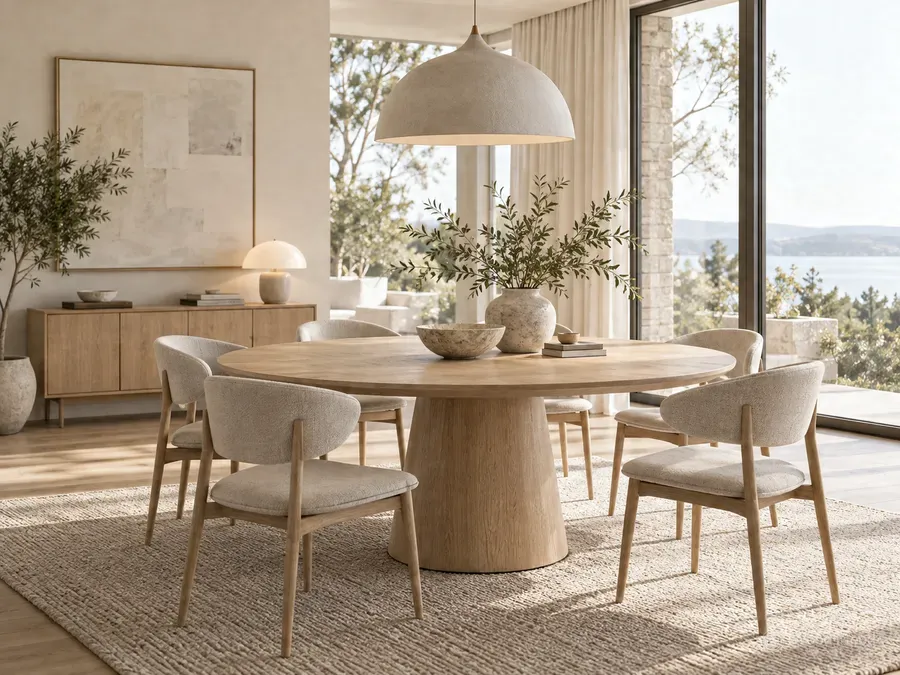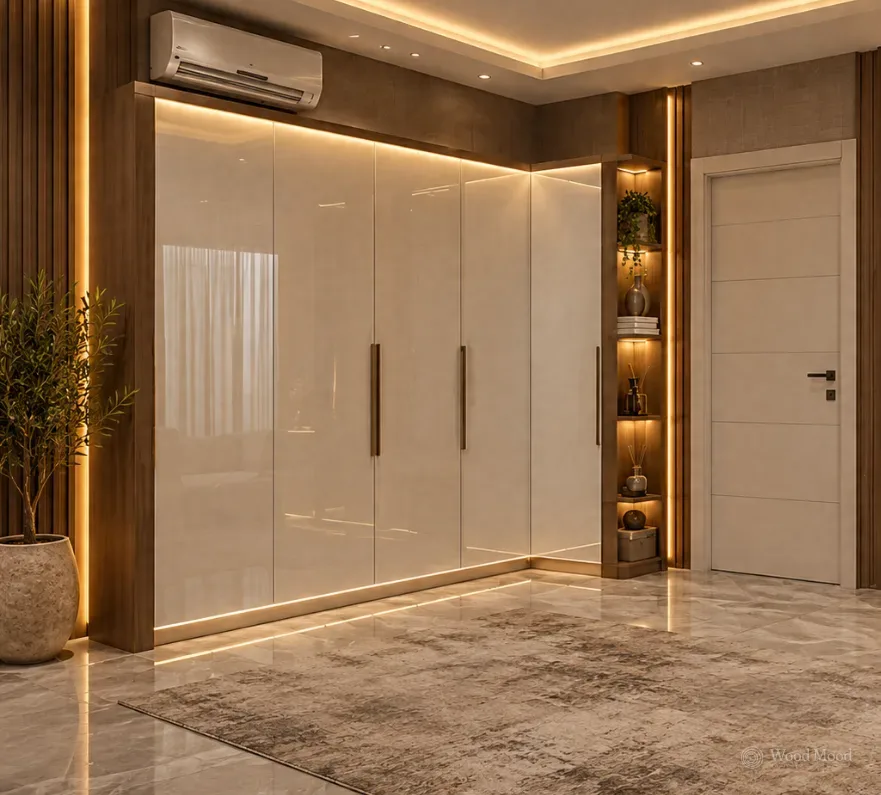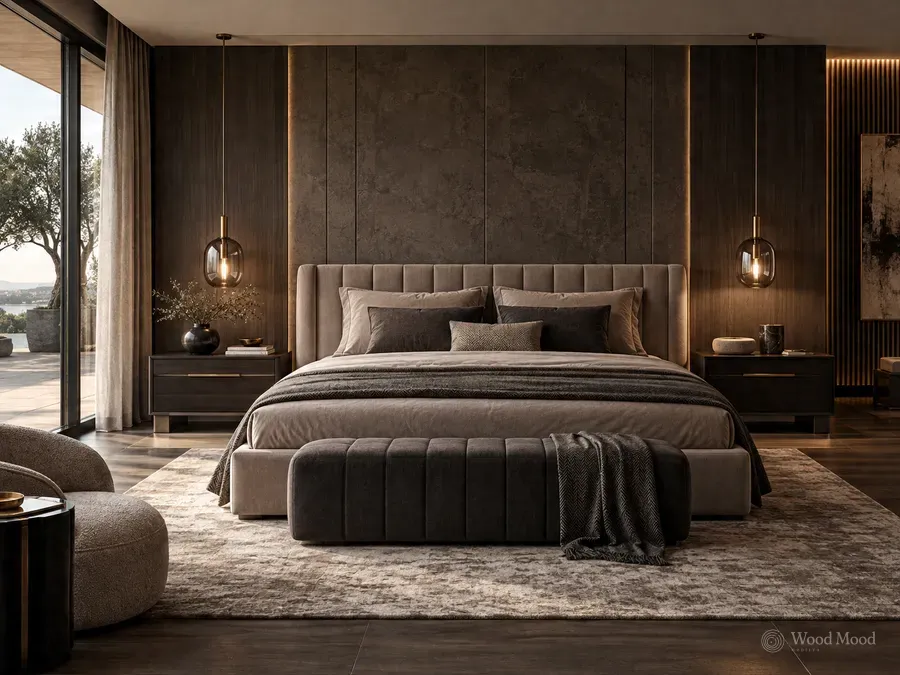
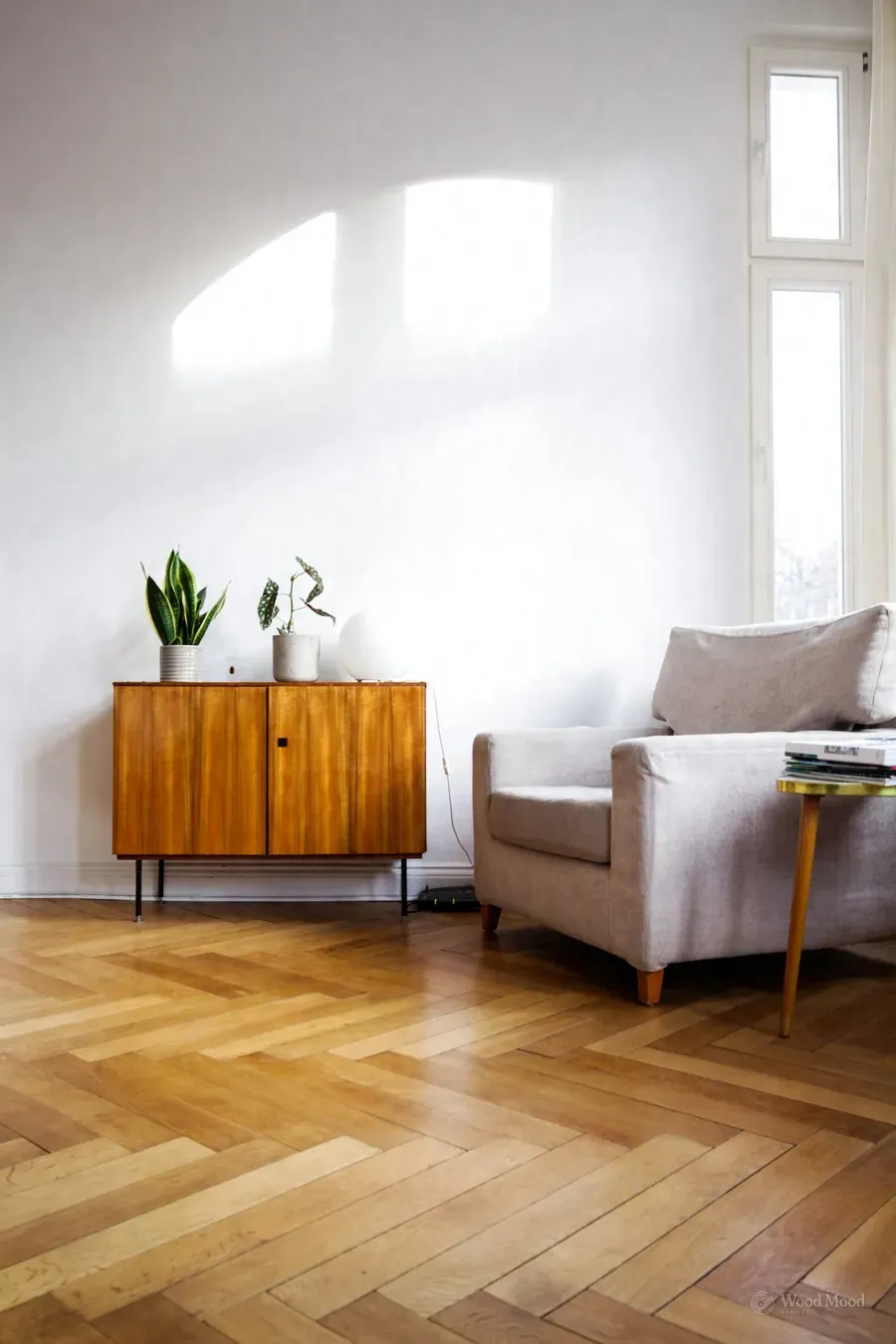
A console table is a narrow, long piece of auxiliary furniture designed to stand against a wall, usually on legs or wall-mounted. Because its depth is often small, it is easy to use in tight spaces. It is chosen in hallways, corridors, living rooms and dining rooms to hold decorative objects such as mirrors, vases and lamps, as well as keys, post and small items.
A console can be a simple open top or can include storage sections with drawers, shelves or doors. Timber, wood veneer, lacquer, glass, marble, stone and metal are used. Wall-hung types leave the floor visible and look lighter. A basket or box on the lower shelf improves order. Some consoles also serve as a serving table in dining rooms.
In made-to-measure production, the length of the console is set for the wall and the depth for the walkway. In narrow corridors, roughly 30 to 40 centimetres of depth is generally enough. A mirror or picture hung above ties it together.
When choosing, look at the top material's resistance to scratches and hot objects, the strength of the legs and, if wall fixing is needed, the mounting system. In busy areas such as beside stairs or doors, rounded corners add safety. Regular wiping and using protective mats on the top is enough care.