An edge-glued solid wood panel is made by gluing natural timber strips side by side and, where needed, joining shorter pieces end to end with finger joints. The short pieces are first interlocked with finger-like teeth to make long strips, which are then glued edge to edge into a wide panel. This gives wide timber surfaces that would be hard to find in a single board.
It keeps the true look and feel of solid wood, and because the strips are arranged with their grain balanced, it bends and splits less than a single wide plank. Pine, beech, oak, spruce and rubberwood are typical species, and thicknesses of 18 to 40 mm are common. In economical grades, colour differences between the short pieces may show.
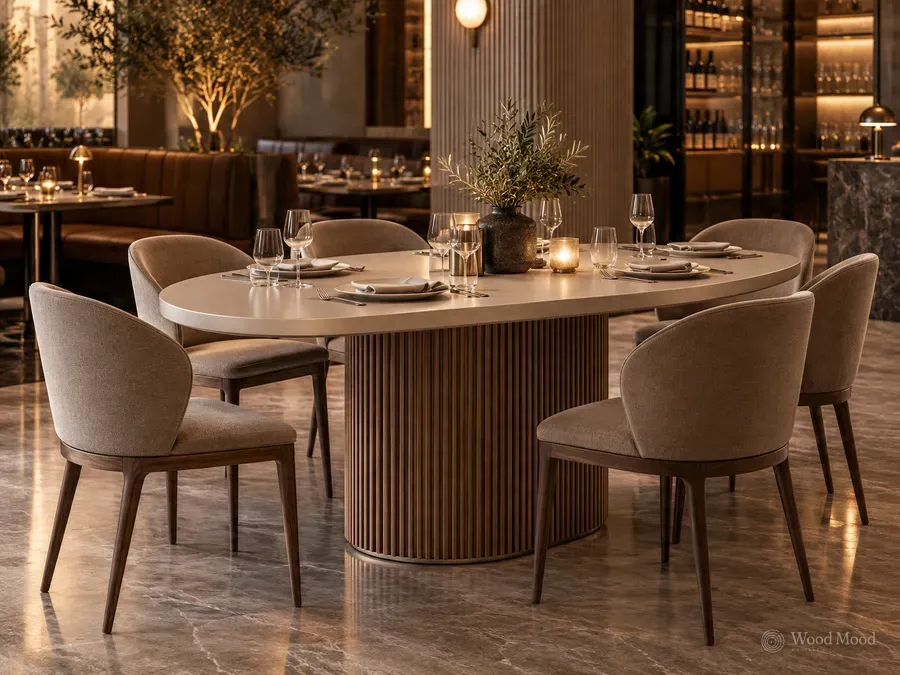
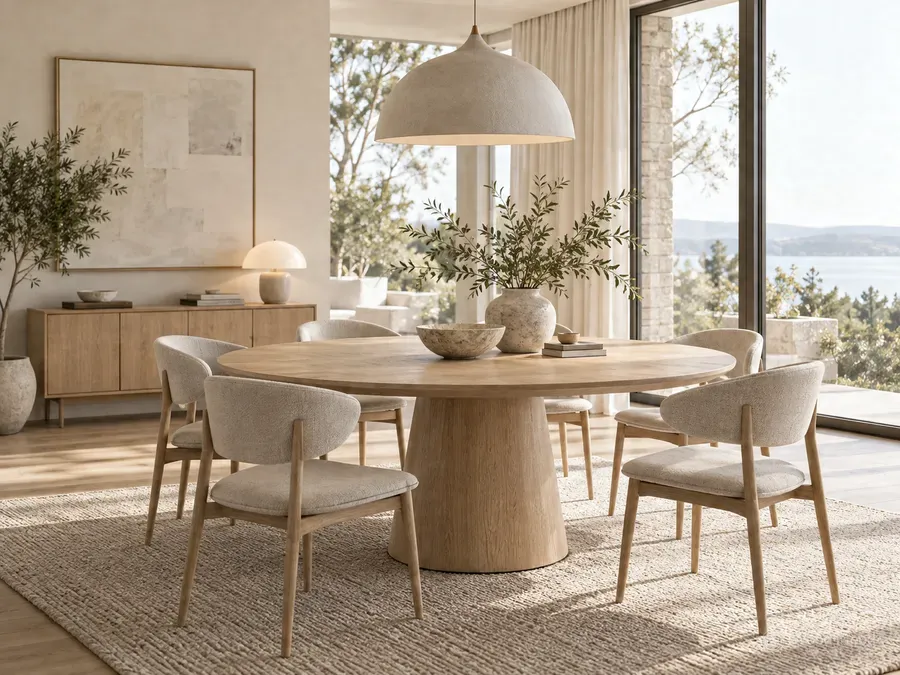
It is used for tabletops, worktops, shelves, stair treads, cabinet doors, beds and side tables. For interior projects that want the look of solid wood, it is an economical choice.
When selecting, look at the species, strip width, the moisture class of the adhesive and the quality of surface finishing. Sealing the ends and edges with oil or varnish reduces movement and moisture uptake. In very dry places such as beside radiators or on underfloor heating, joint lines may open slightly over time.