Leather upholstery uses hide, usually cattle, that has been tanned, dyed and finished to cover furniture. Aniline leather keeps its natural surface and soft feel but is sensitive to staining. Semi-aniline leather has a light protective coat, while pigmented leather offers a tougher and more uniform surface. Natural grain and small marks are part of the character of real leather.
Leather softens with use and develops a patina, and with proper care it can last for many years. It is breathable and easy to clean. Left in strong sun it can fade or dry out, so it should not be placed too close to a heat source. Faux leather and bonded leather are cheaper and low-maintenance alternatives, though they differ from real leather in durability and feel.
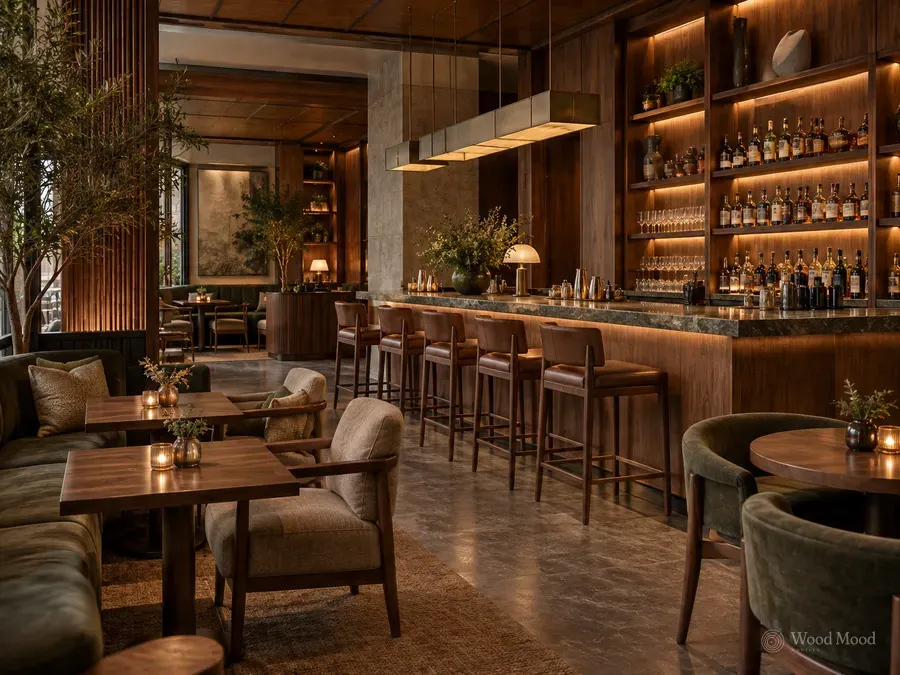
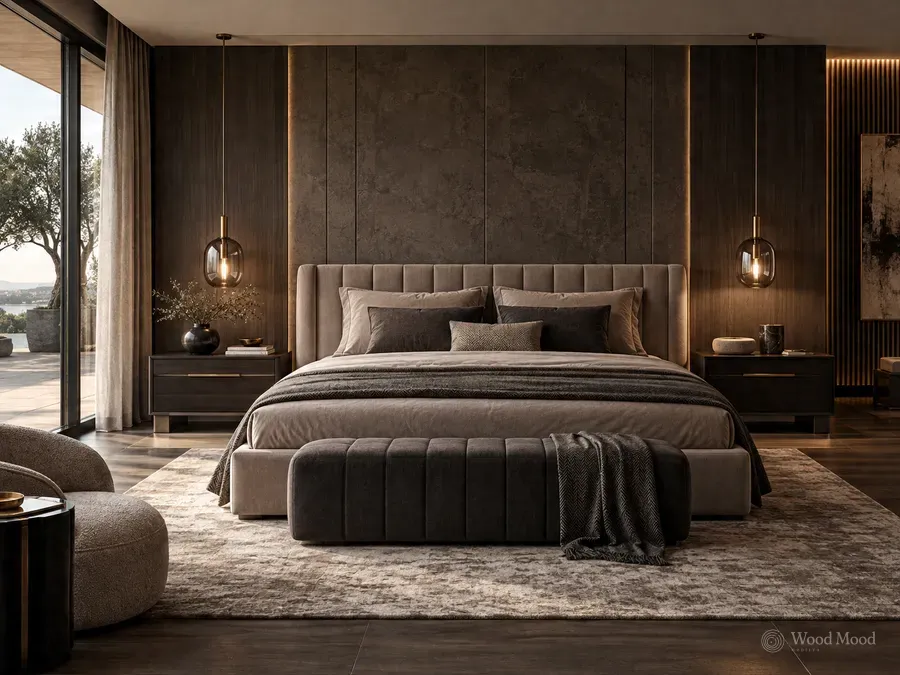
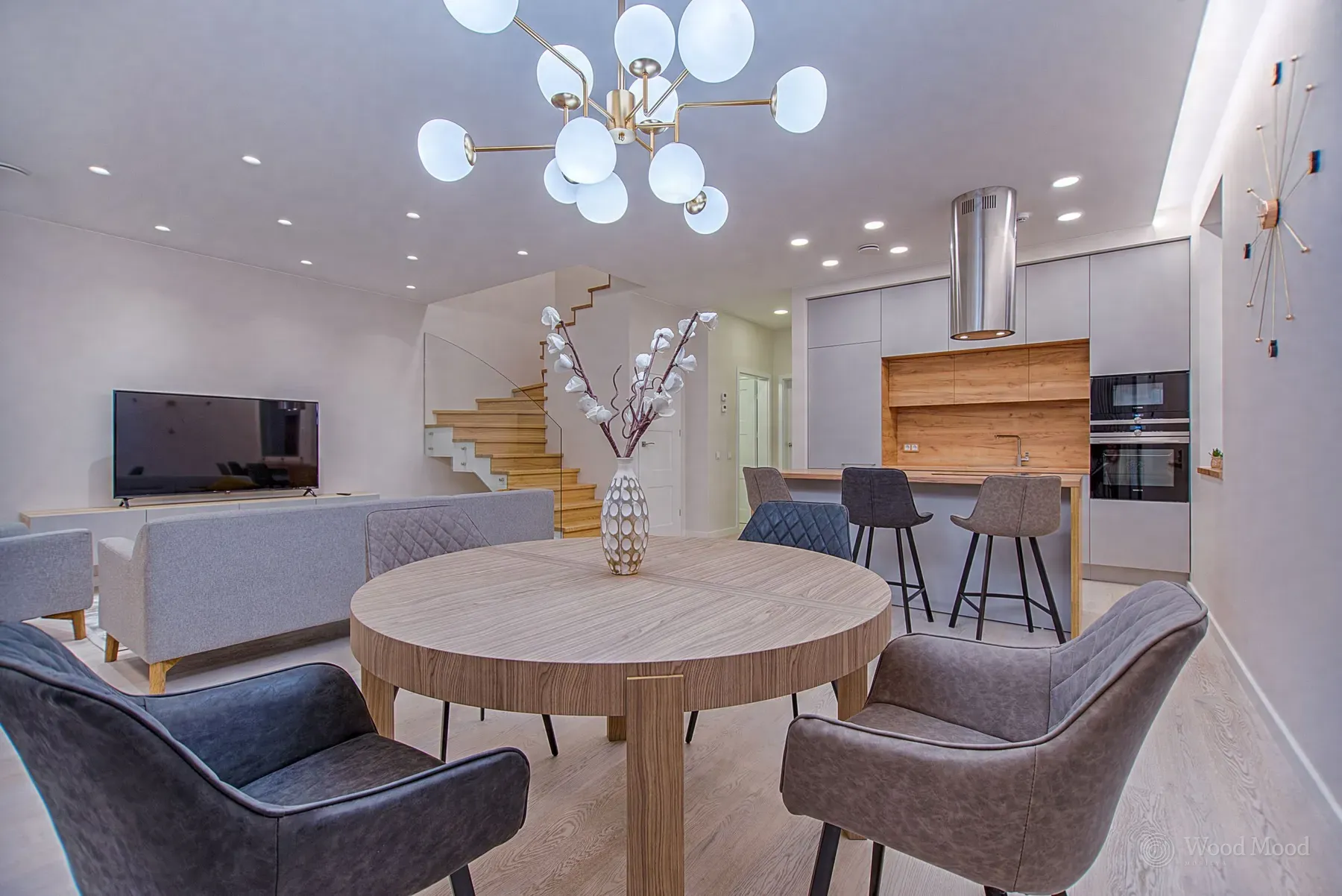
It is used on sofas, dining chairs, bar stools, bed headboards, office chairs and wall panels. When specifying it, ask about the type of leather, its thickness, the surface finish and colour fastness. For care, use a soft damp cloth and a conditioner made for leather; wet or abrasive cleaners, glue and solvents damage it. Spills should be wiped up promptly. In heavy-use settings, pigmented or semi-aniline leather is often the more practical choice.