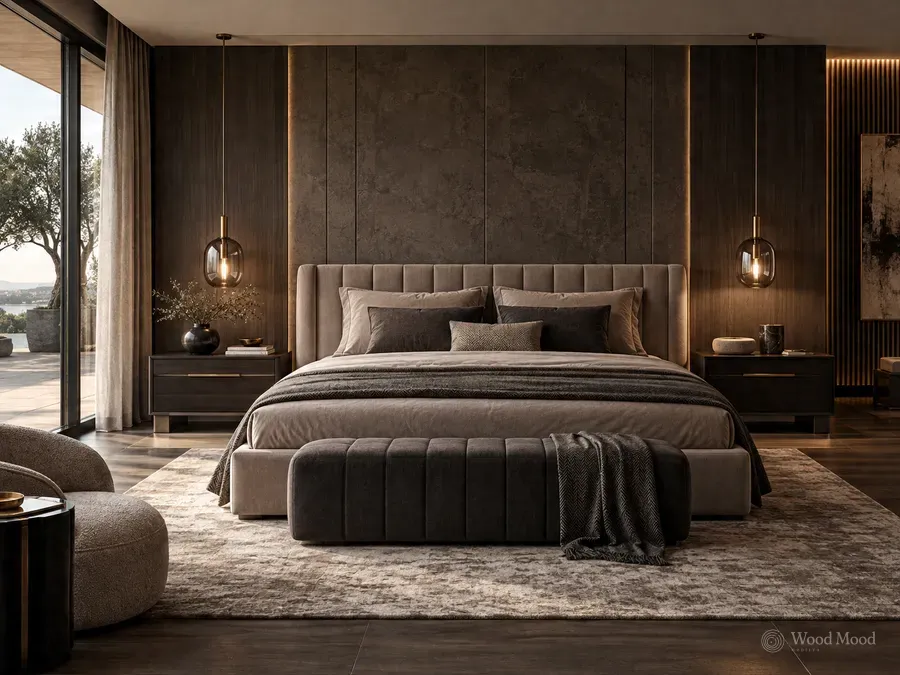
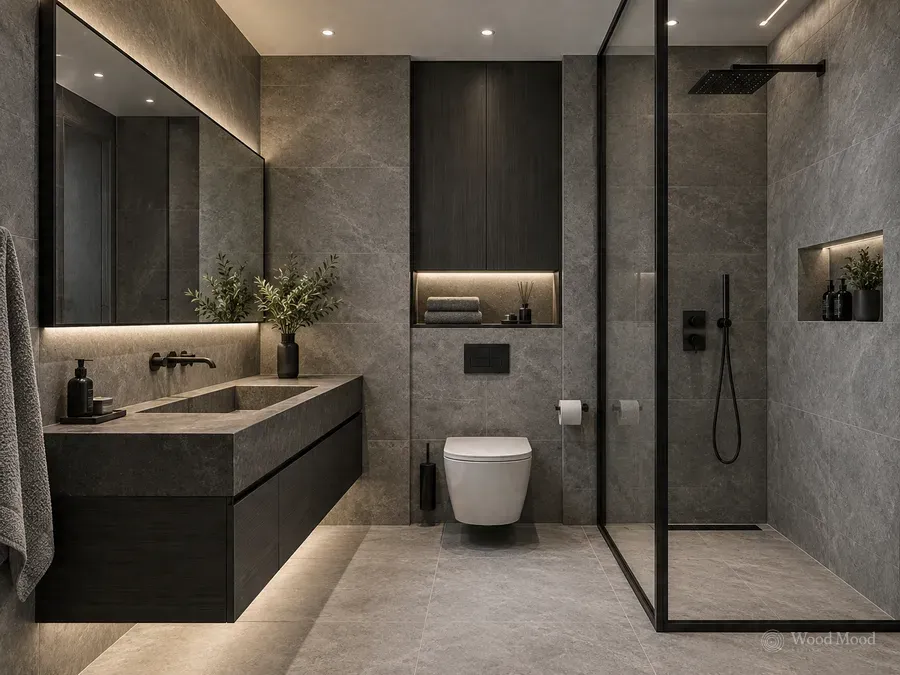
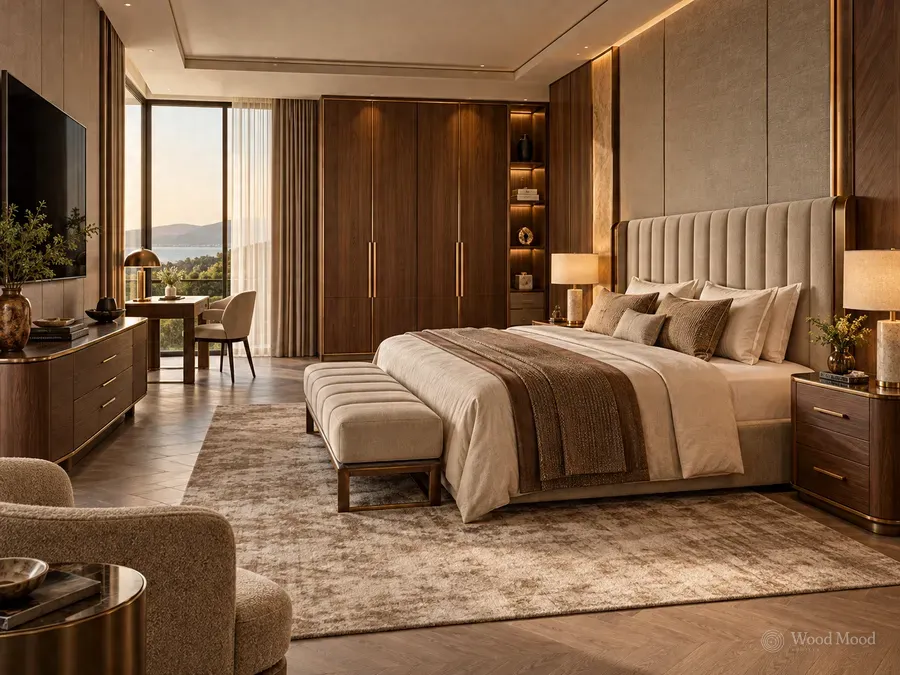
Wabi-sabi is a traditional Japanese aesthetic that finds beauty in what is imperfect, impermanent and incomplete. Instead of seeking perfection and polish, it accepts the marks left by time, the irregularities of handwork and the natural state of materials. In an interior this means a calm, plain and textured look.
In furniture, solid wood that is unfinished or lightly finished, oiled and matt surfaces, clay, plaster, stone, linen and handmade ceramics come to the fore. Cracks, knots and slight curves are not hidden. Colours are soft ones such as beige, sand, grey, earth and charcoal. Forms are simple, surfaces are rough and warm to the touch, and each piece is a little different.
Wabi-sabi is used in living spaces, bedrooms, bathrooms, boutique hotels and restaurants. It favours fewer, longer-lasting pieces and materials that grow more beautiful as they age.
When choosing, make sure the timber is protected with oil or matt lacquer, because a natural look does not mean unprotected. Accepting small scratches as part of the style makes care easier, but the surface still needs to be cleanable and protected from moisture. Renewing the oil once a year extends the life of the wood.