Acrylic solid surface is a homogeneous sheet material made of acrylic or polyester resin, a mineral filler such as aluminium hydroxide, and pigment. Colour and texture run through the full thickness rather than sitting on the face. Sheets are commonly made in 6, 12 or 20 mm thicknesses and can be cut and routed with woodworking machinery.
Its best-known quality is that pieces can be bonded with matching adhesive and sanded so the join disappears, giving one continuous surface. It is non-porous and therefore considered hygienic. Scratches and burns can be repaired by light sanding and polishing. It does not tolerate heat as well as stone, so a trivet should be used under hot pans.
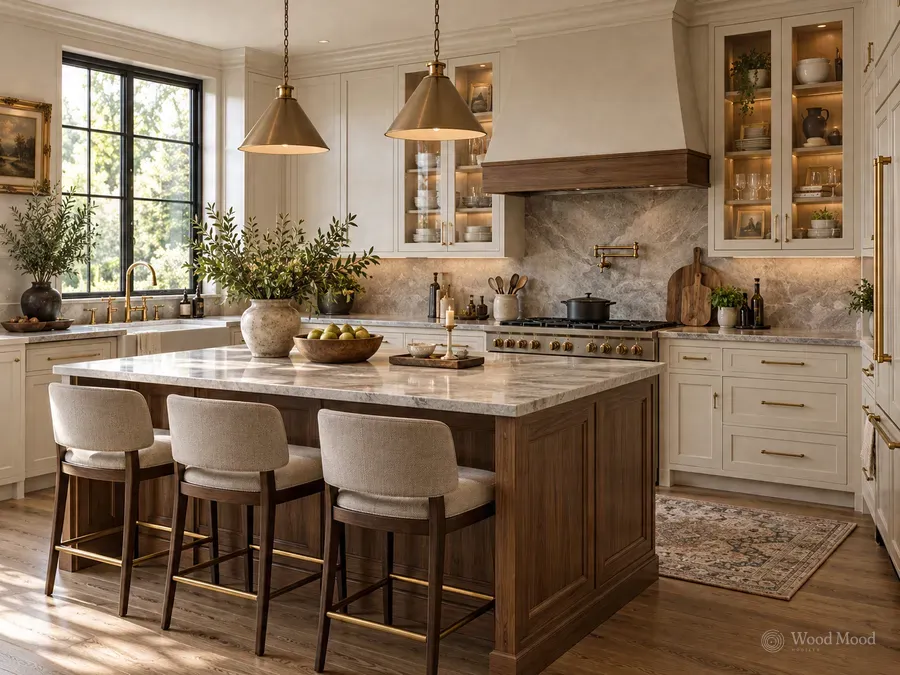
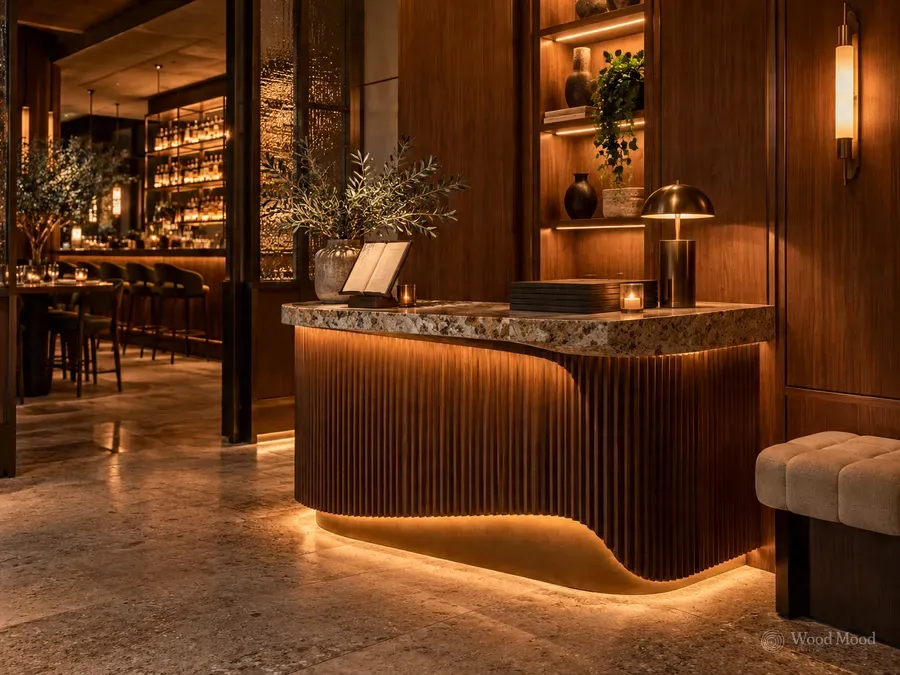
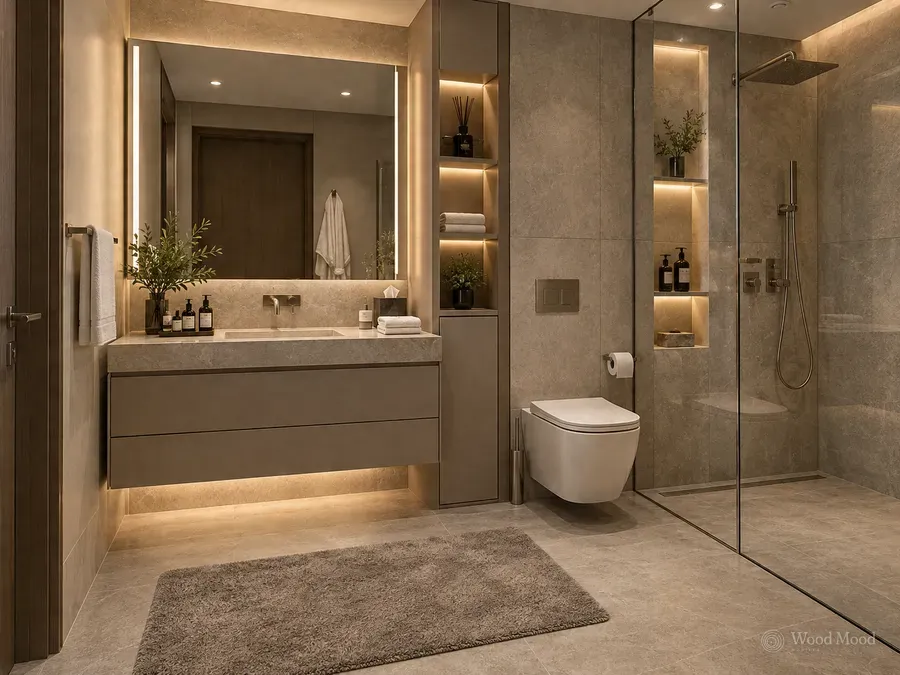
Typical uses include kitchen worktops with an integrated sink, vanity units, reception counters, hospital and hotel bathrooms, and designs with curved forms. Because the sheet can be heated and thermoformed, organic shapes are possible. When choosing, consider whether the colour is plain or speckled, the gloss level, and how heavily the surface will be used. Soapy water is enough for cleaning, and light marks on matt finishes can be removed with a soft abrasive pad.