
A mirror is made by coating the back of flat glass with a thin layer of silver and then a protective paint. In furniture, glass mirror is usually 4 to 6 mm thick. Edges can be flat ground, bevelled or polished. A copper-free or moisture-resistant silver layer matters particularly for bathrooms.
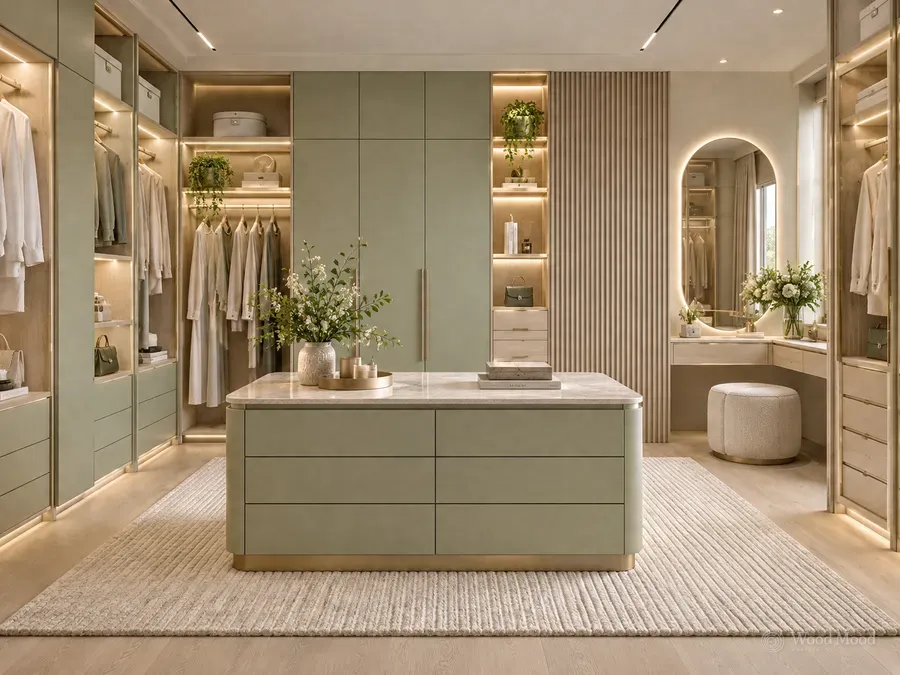
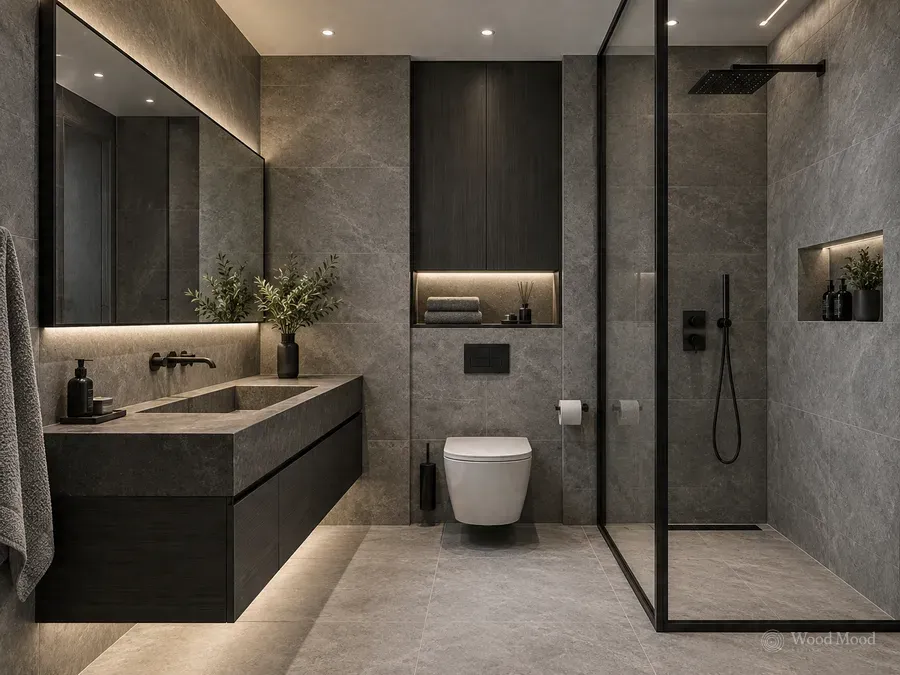
A mirror adds light and depth to a room and makes small spaces look larger. On wardrobe doors it serves as a full-length mirror, and in bathroom furniture it forms part of the mirror unit above the basin. It is also used as a decorative element behind bars, in display cases and in entrance halls. For mirrors fixed to door panels, a safety-backed mirror with a protective film is advisable so that the pieces stay together if it breaks.
When choosing, look at the thickness, the edge finish and the flatness of the surface; a distorted reflection points to poor quality. In bathrooms, silicone and correct installation are essential so that the edges do not darken from moisture. Glass cleaner and a soft cloth are enough for cleaning, but spraying liquid directly onto the edges can cause the silver to tarnish over time. Heavy full-length mirrors should be fixed to the wall or door with a strong hanging or support system.