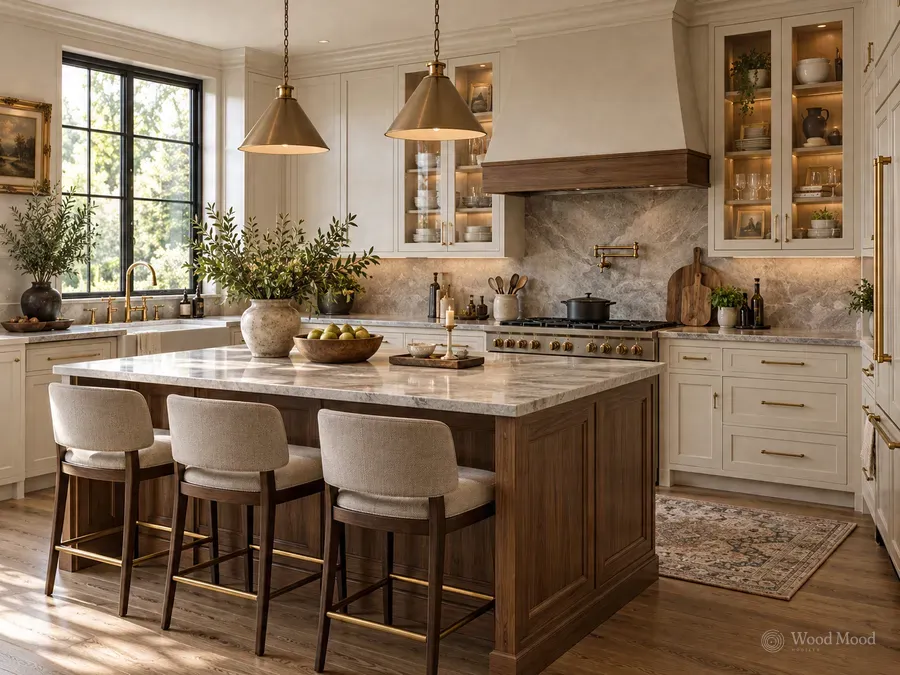

A sample is a small example of the material, colour and surface to be used in furniture. A swatch collection presents colour, pattern or veneer options side by side. Because screen images and printed photographs can show colour differently from the real thing, it is important that approval is given on a physical sample.
In furniture projects, samples are mostly prepared for door materials (melamine, lacquer, wood veneer, foil), worktop stone, edge banding, handles and fabric. Swatches let different colours and textures be compared together. They need to be viewed in the space under both daylight and artificial light, because colour and gloss change with lighting. Matt, satin and gloss finishes make the same colour look different, so the sample should be viewed from an angle too.
In natural wood samples, grain and tone can differ from piece to piece, which is a feature of natural material, and an approved sample represents a range. The approved sample and its codes should be recorded with the order, and a piece kept in the archive if possible. That way colour match can be checked when additions or repairs are made later. Choosing samples works best when thought through together with the lighting, floor and wall colours of the space.