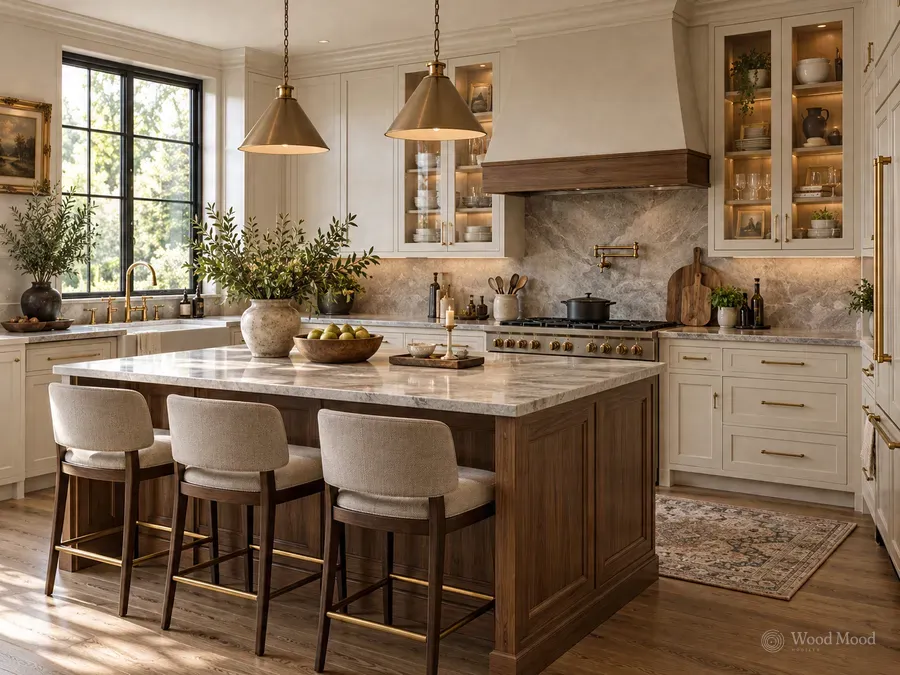
Abrasion resistance is the degree to which a surface keeps its pattern, colour and finish under friction, scratching and everyday use. It matters for frequently touched or rubbed furniture parts such as tabletops, kitchen worktops, door faces, floors and chairs. Wear shows as dulling of the sheen, wearing away of the pattern and the layer beneath becoming visible.
Abrasion resistance varies with the material. High-pressure laminate, compact laminate, quartz, ceramic and stainless steel are highly resistant. Varnished, lacquered and veneered surfaces are more sensitive, and the number and quality of varnish coats decide durability. For products such as laminate and flooring, an abrasion class (such as an AC class) is given by manufacturers and chosen to suit the intensity of use. In test methods, the surface is rubbed with abrasive wheels and the number of revolutions before the pattern wears through is counted.
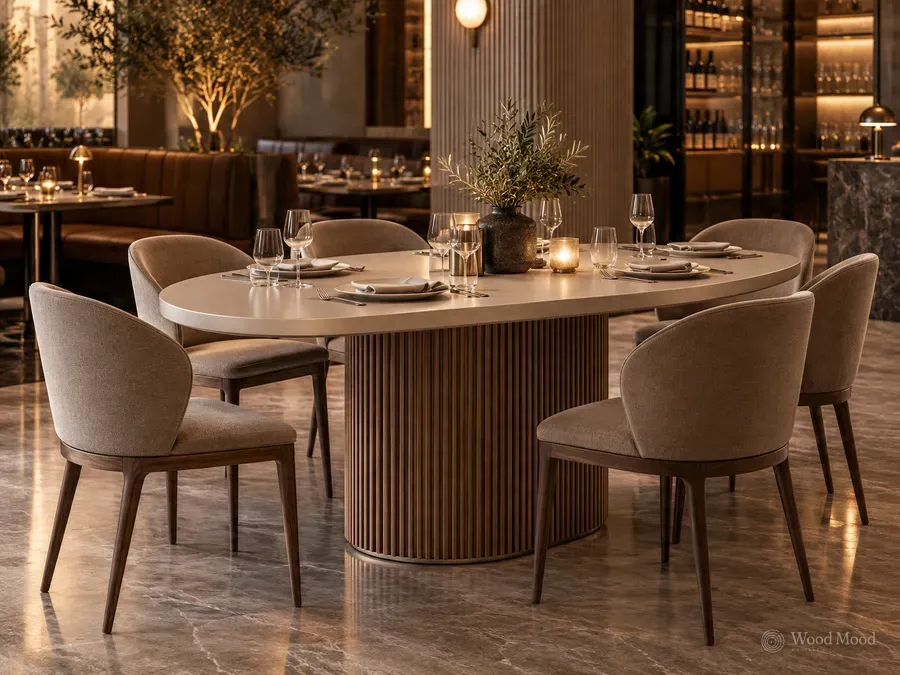
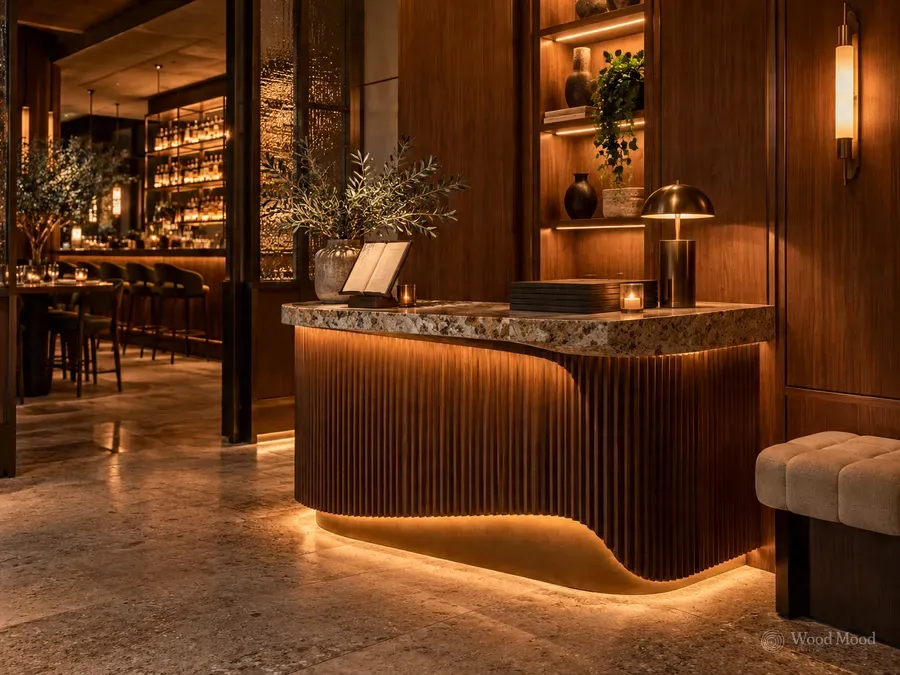
In heavily used places such as hotels, restaurants and shops, surface choice calls for higher abrasion resistance than at home. Reception desks, bars, tables and display counters are therefore made from hard-wearing materials.
When choosing, match the material to the intensity of use and look at the manufacturer’s class information. In daily care, avoid abrasive sponges and harsh scouring powders. Using mats on tabletops and felt pads on chair feet slows wear.