
Edge banding is a thin strip that covers the exposed core on the cut edges of board furniture. ABS (acrylonitrile butadiene styrene) banding is a chlorine-free thermoplastic that is regarded as more environmentally friendly. It is sold in rolls and applied to the board on an edge banding machine with hot-melt glue or by laser.
ABS banding resists impact and scratching, softens when heated, and is made to match the colour or pattern of the board face. Thickness is typically 0.4 to 3 mm, with thinner strips used on inner edges and thicker strips on visible door edges. It is recyclable and does not release toxic chlorine gas when it burns.
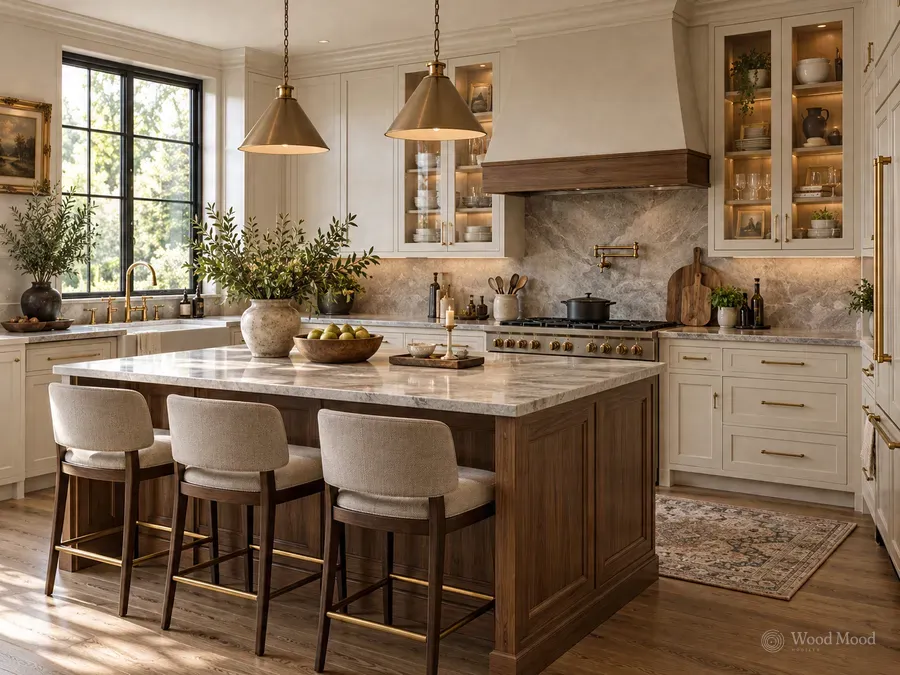
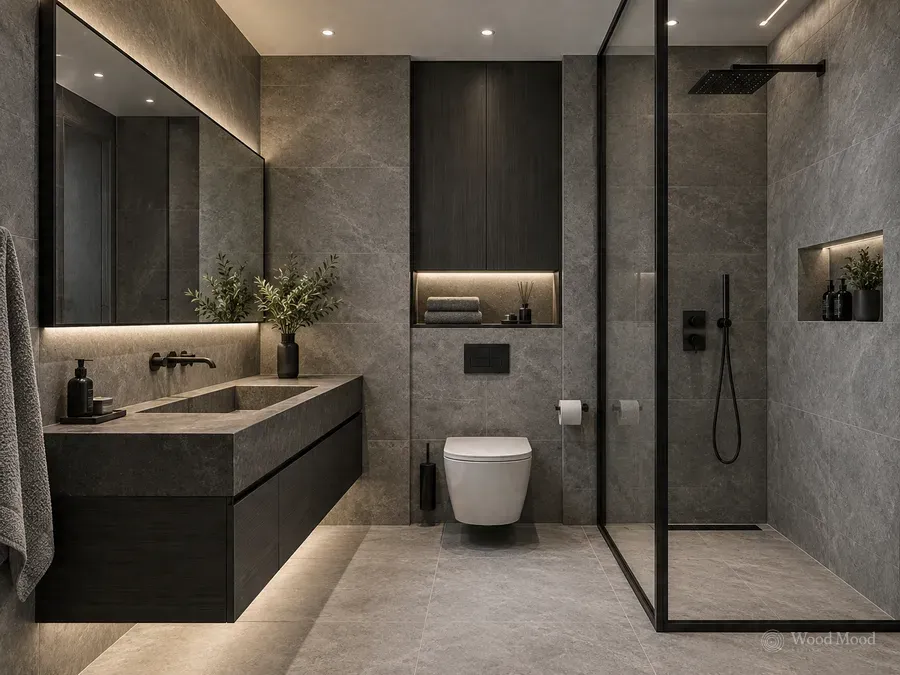
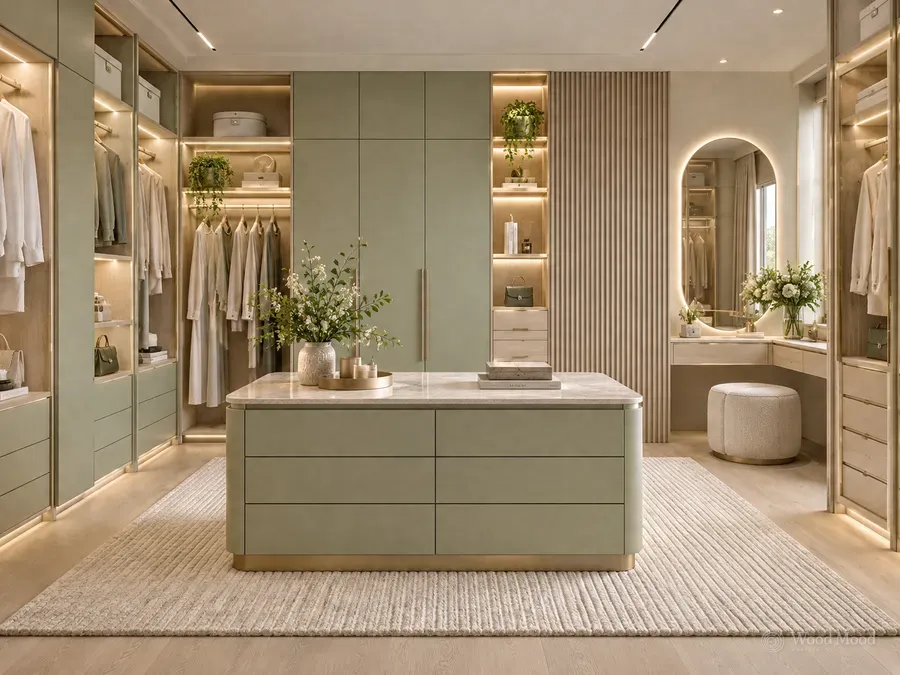
It is used on the edges of melamine, HPL and MDF-faced doors and carcasses in kitchens, bathrooms, wardrobes, offices and shops. The banding protects the edge from moisture and knocks and gives the surface a clean finish.
When choosing, look at the colour and texture match with the board, the thickness of the band and the quality of the bond. A well-applied band shows no joint line. Lifting at edges is mostly caused by moisture or heat, so near ovens, dishwashers and hobs a heat-resistant bond matters. A damaged band can be repaired locally.