Anthropometry is the field that studies the measurements of the human body. Values such as height, shoulder width, arm reach, seated height and knee space are used as basic data in furniture and space design. Ergonomics uses this data, while anthropometry supplies the measurements themselves.
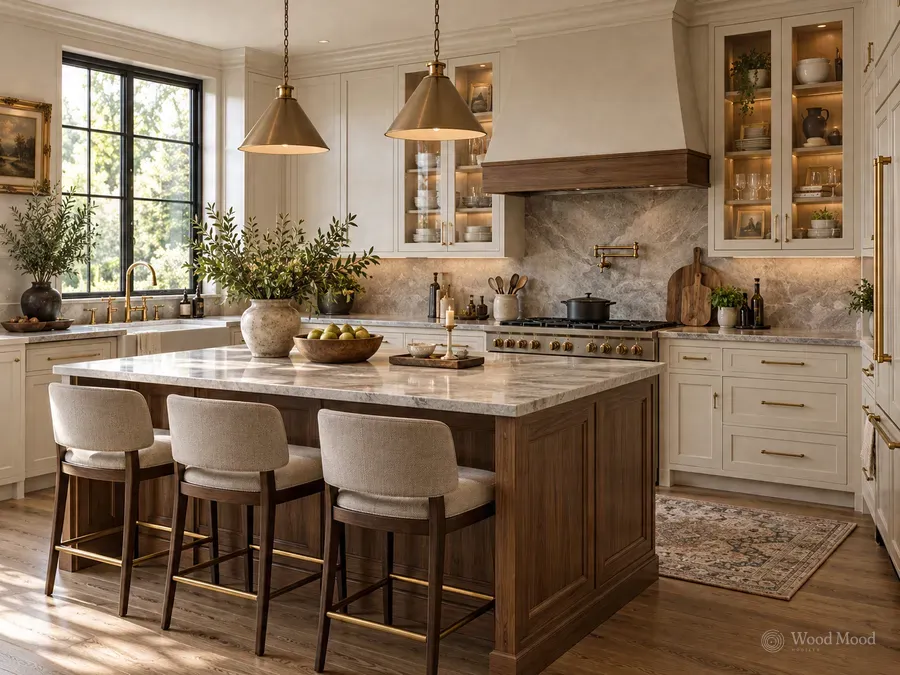
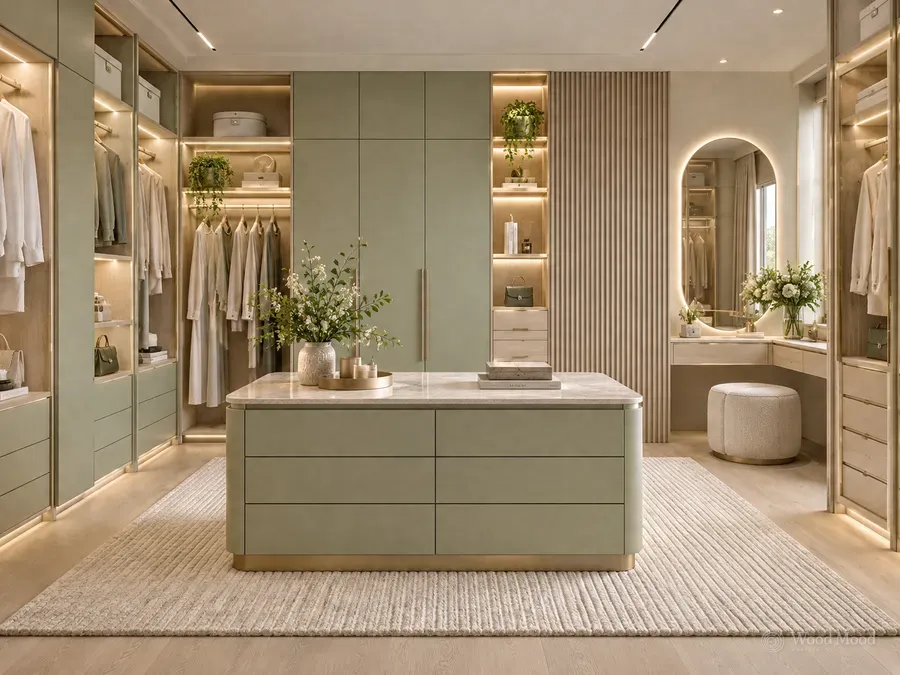
Furniture dimensions rest on this data. The height of a dining table, seat height, kitchen worktop height, reach height of wall cabinets, drawer depth and wardrobe rail height are all derived from anthropometric values. Standard sizes are usually set around average height, and children, older people and users with disabilities need separate dimensions. The data can also differ between populations.
Anthropometry matters particularly in made-to-measure furniture, because sizes can be tuned to a single user or family. Raising a worktop slightly for a tall cook, or placing shelves in a child’s room at a height the child can reach, are examples.
During planning, sharing the users' heights and habits makes it easier to set the right sizes. Standard dimensions are an average starting point, and where use is not comfortable the dimension can be changed.