HPL, or high-pressure laminate, is a thin sheet made by impregnating layers of kraft paper with phenolic resin, adding a decorative and a protective top layer, and pressing at high pressure and temperature. It is usually 0.6 to 1.5 mm thick and is bonded to a substrate board.
Compared with melamine-faced board, HPL offers higher resistance to scratching, abrasion, impact and moisture. Solid colours, wood grains, stone and metal looks, matt and textured finishes are available. It also tolerates heat and staining well, though hot pans can still mark the surface.
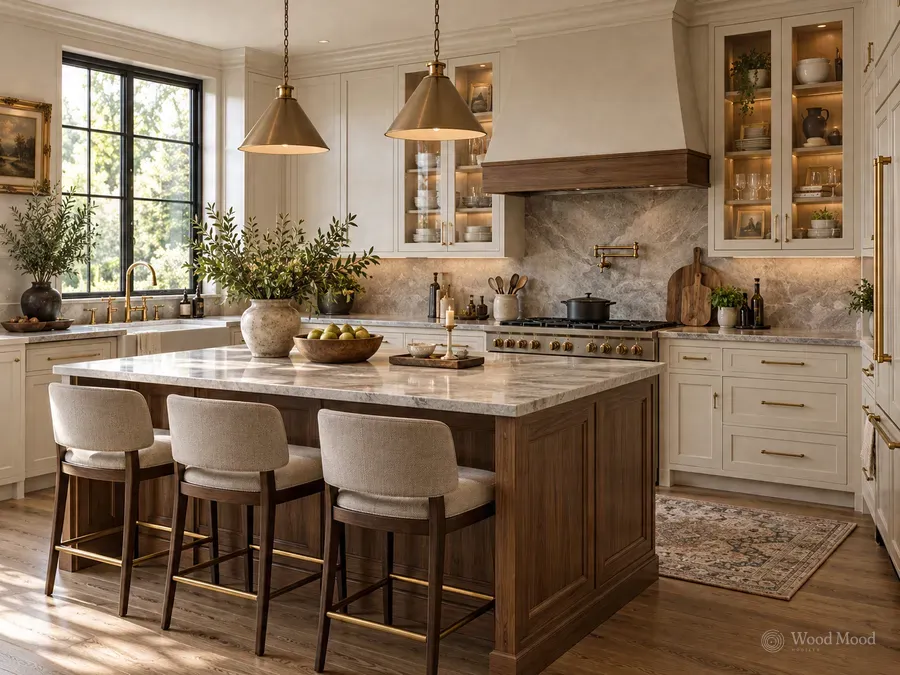
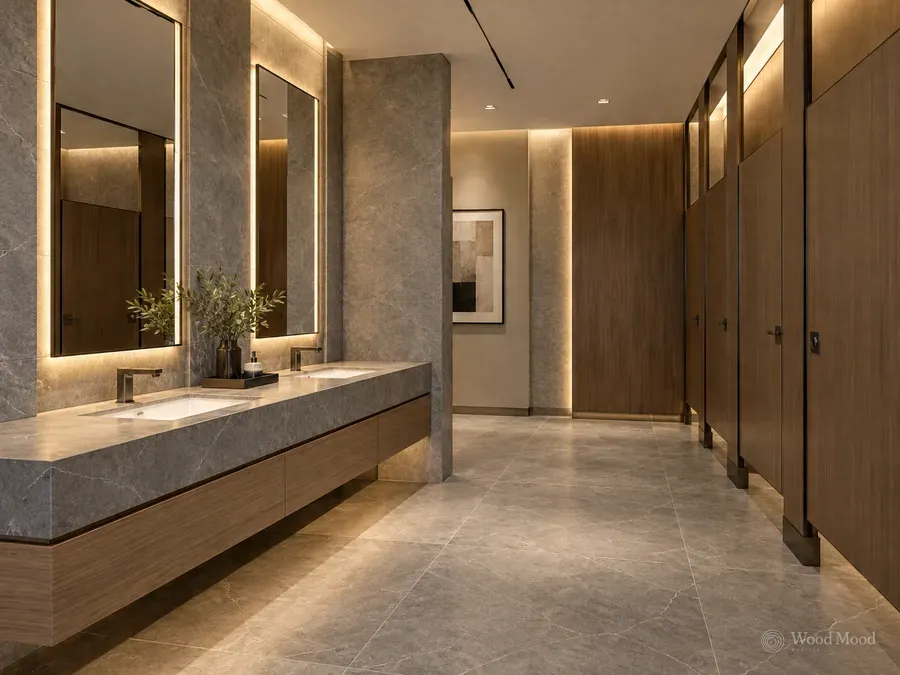
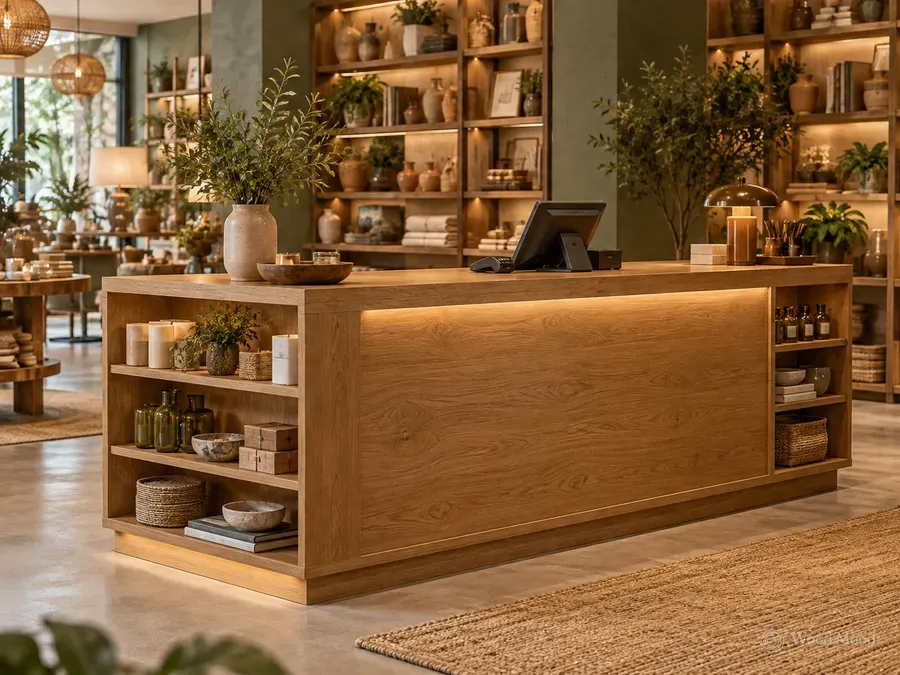
It is chosen for kitchen worktops and doors, bathroom and washbasin areas, office desks, shop counters and shelving, hotel room furniture and other busy areas where wear resistance matters.
When choosing, consider thickness, surface texture and fire rating. The substrate is normally MDF or chipboard, and a balancing sheet on the back face prevents the panel from bowing. A joint line may show at the edge, so edge banding or an edge treatment should be planned from the start. A neutral detergent is enough for cleaning.