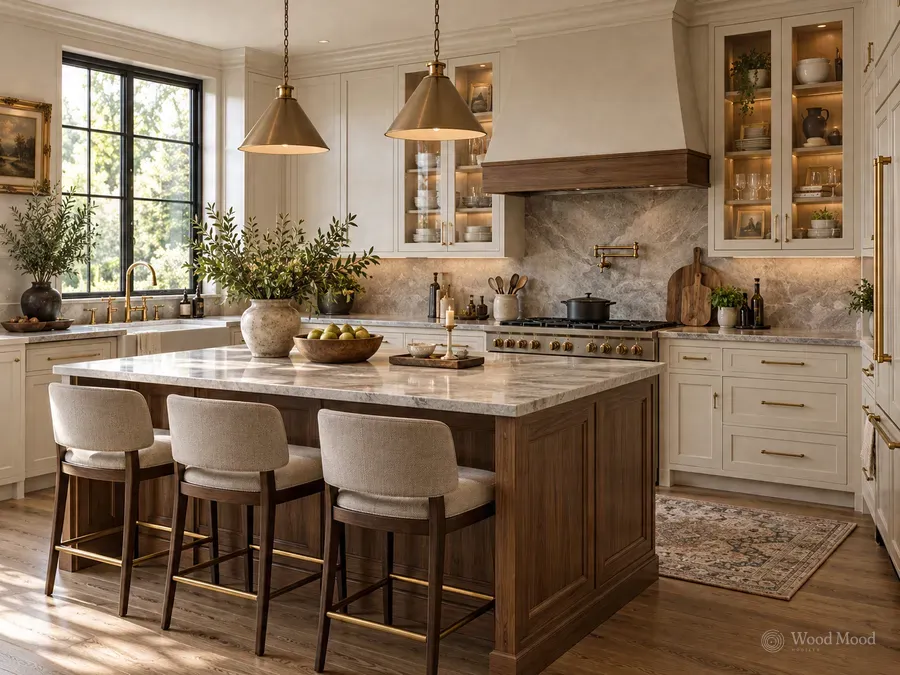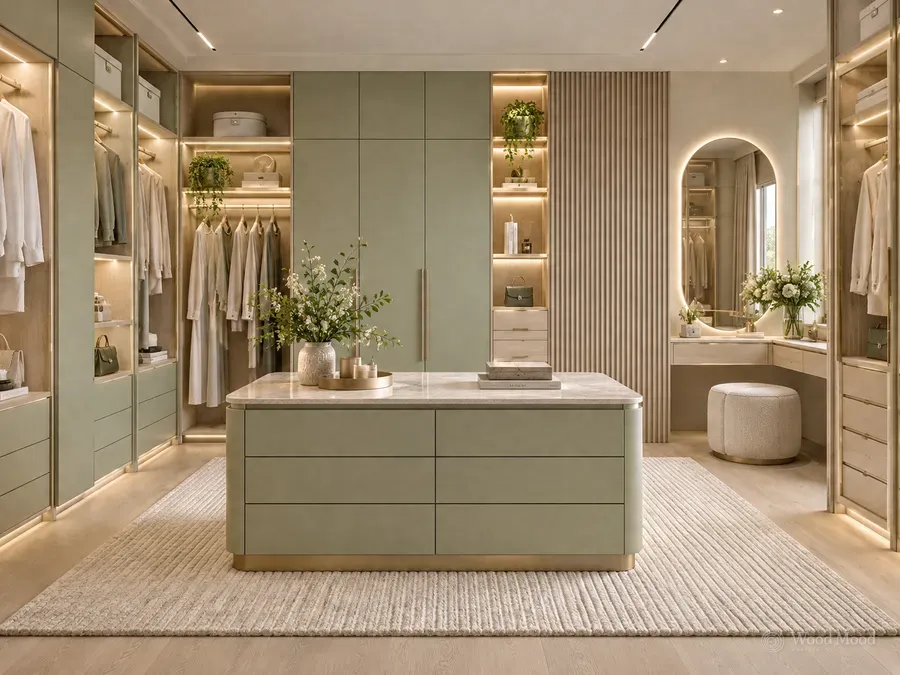
Modular furniture is a system built by joining independent units, called modules, made in standard widths and depths. Kitchen cabinets, wardrobe carcasses, bookcases and shelving, and office and shop fittings are often designed this way. The same modules can be arranged in different numbers and orders to suit various spaces.
In a modular system, widths commonly step through sizes such as 30, 40, 45, 60, 80, 90 and 120 cm, while height and depth are also standard. This order simplifies production and installation and lets a single module be replaced, added or moved elsewhere. Gaps are closed with filler pieces and exposed ends with end panels. Made-to-measure design also uses modular thinking: carcasses are divided in a standard way, but their sizes are adjusted to the room.
When choosing modular furniture, consider the number of modules, carcass material, type of connection (screw, cam, clip) and the need for filler parts. If walls are uneven or the room does not divide evenly into standard sizes, gaps may remain at the ends. Levelling the modules with adjustable feet and fixing them to each other is needed to keep door lines even. Ease of moving, extending and repairing is a key advantage of modular construction.