High-gloss surfaces are a popular choice in kitchen and furniture design because they reflect light. Acrylic doors, used in modern kitchens in particular, draw the eye with their smooth surfaces and vivid colours.
When choosing high-gloss furniture, though, appearance alone is not enough. How the material is made, its scratch resistance, its sensitivity to heat and its everyday care needs also matter.
This guide covers the properties of acrylic doors, how they differ from other high-gloss surfaces, and what to watch for to get long life from them.
What is an acrylic door and how is it made?
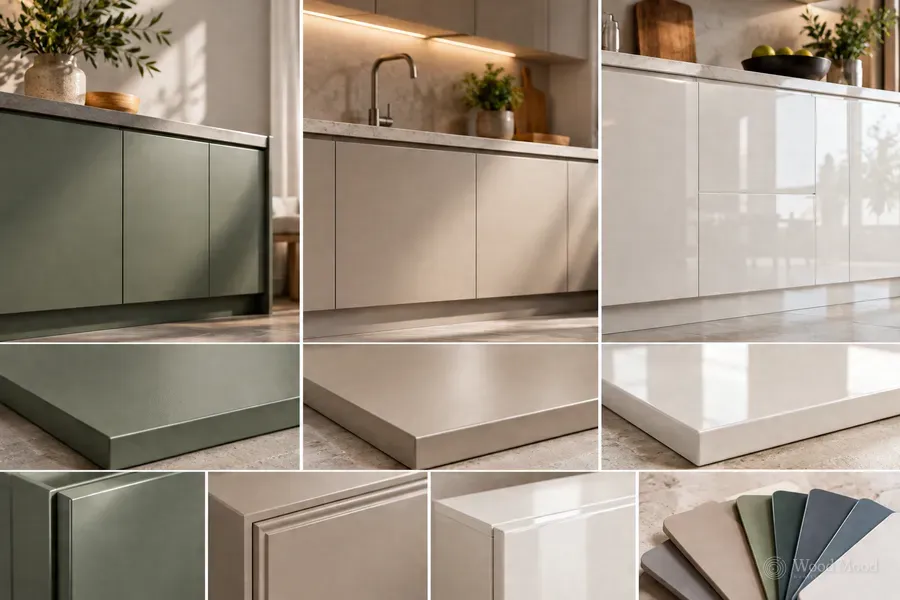
An acrylic door is usually made by applying an acrylic-based surface layer over MDF. This layer creates a glossy, deep, glass-like look.
The edges of the doors are finished with edge banding in colours that match the surface. This gives a modern, clean look.
The main advantages of acrylic doors are as follows:
- High gloss and a smooth surface
- Vivid, clear colours
- A surface that is easy to clean
- Suitability for modern, simple designs
- A choice of colours and levels of gloss
Acrylic doors are mostly chosen for flat-fronted styles. For framed or routed door designs, other surface treatments such as lacquer can be considered.
Differences between acrylic, high-gloss lacquer and membrane
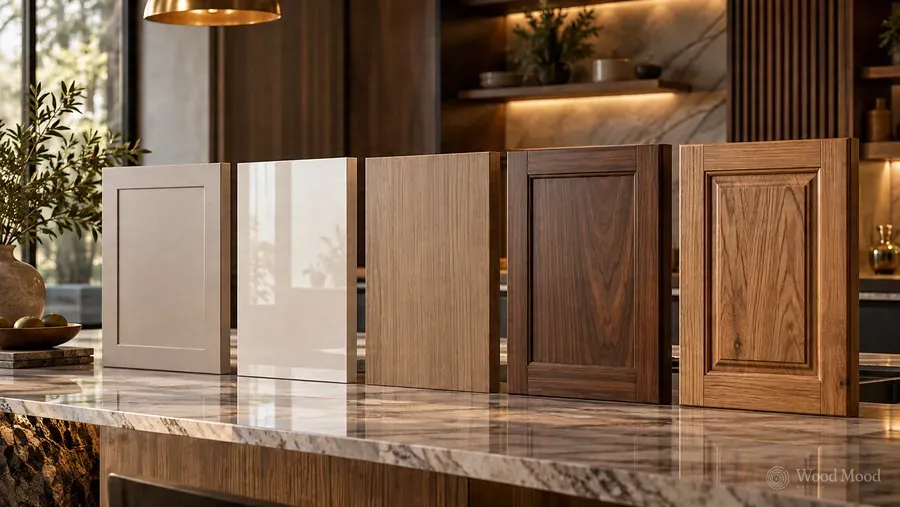
Different door systems can be used to achieve a glossy look. Each differs in manufacturing technique and in how it performs in use.
Acrylic door
The acrylic surface applied over MDF gives a high gloss. It offers a modern look on flat doors.
Colour options are limited to the acrylic sheet collection used. The edges have a banding joint, and the surface must be protected from hard rubbing.
High-gloss lacquer
High-gloss lacquer is made with a multi-coat paint system applied over MDF. It can be produced in the colours you want, and because the door edges can be painted too, it gives a consistent look.
It can be applied to flat, framed or grooved doors. The surface quality depends on the paint workmanship, however, and it needs careful use to avoid knocks.
High-gloss membrane
It is made by applying PVC-based foil over shaped MDF using heat and vacuum.
It can be a good choice for doors with decorative forms. However, high heat and hot steam can cause the surface to lift in areas without suitable protection.
Advantages and disadvantages of high-gloss surfaces
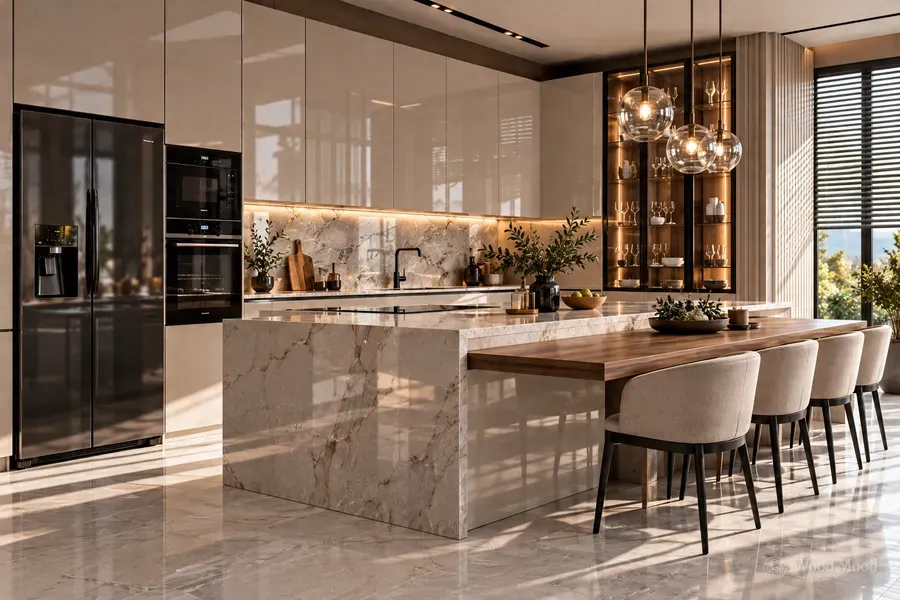
The main feature of high-gloss doors is that they reflect light. Light-coloured surfaces in particular can make small or dim rooms seem brighter.
That same reflectivity, however, also makes some signs of use more noticeable.
Fingerprints: these can be spotted more easily, especially on dark high-gloss doors.
Scratches: fine surface scratches can become visible depending on the angle of the light.
Dust: dust can be more noticeable on black, anthracite and other dark tones.
Light reflection: windows and lighting can reflect on the door surfaces. This should therefore be considered together with the lighting scheme.
If you want a look that needs less upkeep in daily use, light-coloured high-gloss doors or combinations with matt surfaces can be suitable.
Where are high-gloss doors used?
Acrylic and other high-gloss surfaces can be used in different living areas.
- Kitchen units: modern door designs that reflect light
- Bathroom furniture: surfaces that are easy to clean, with suitable carcass and edge protection
- Wardrobes: a clean, bright look on large doors
- TV units: details that contrast with matt and wood-textured surfaces
- Consoles and decorative cabinets: bespoke designs that put the glossy surface forward
In kitchens in particular, instead of making every door glossy, it is also possible to use gloss on the wall units and matt or wood-effect surfaces on the base units.
Combinations like this bring together the visual qualities of different materials.
Are acrylic doors resistant to heat and scratching?
Acrylic surfaces are suitable for everyday furniture use, but they are not scratch-proof and not fully resistant to high heat.
Careful planning is needed around ovens, hobs and dishwashers in particular.
Leave the clearances the appliance manufacturer recommends and, where necessary, use suitable heat and steam protection details.
Direct contact between hot pans or similar objects and glossy surfaces should be avoided.
The effect of heat in areas that get direct sun for long periods should also be considered.
How do you clean acrylic and high-gloss surfaces?
Gentle, regular cleaning matters for keeping high-gloss doors looking good.
For correct cleaning:
- Remove dust from the surface with a clean, slightly damp microfibre cloth.
- If needed, use a suitable neutral cleaner recommended by the manufacturer.
- Dry the surface with a soft cloth after cleaning.
- Clean off grease and fingerprints before they build up.
Avoid:
- Hard sponges and abrasive cleaners
- Acetone, thinners and unsuitable solvents
- Rubbing the surface hard with a dry, dirty cloth
- Steam cleaners
- Polishes and waxes the manufacturer does not recommend
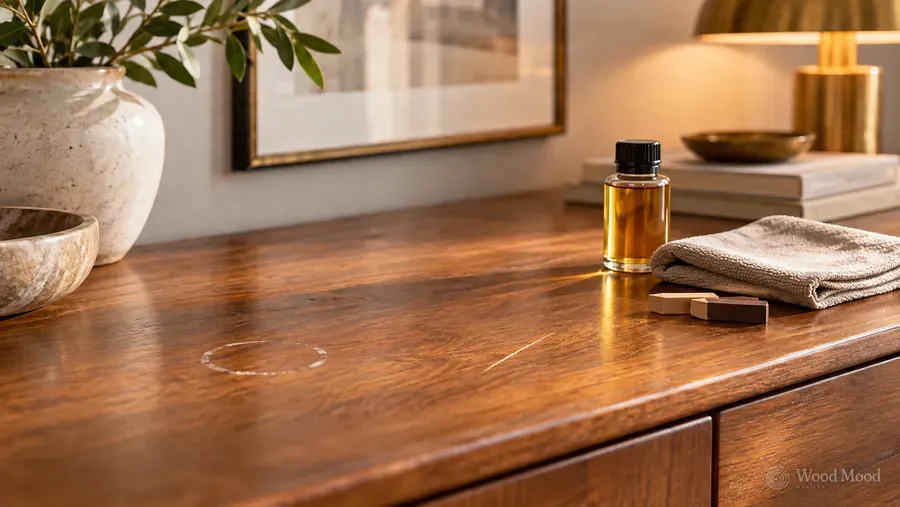
Very light scratches on acrylic surfaces can, on some products, be reduced with suitable care methods. Not every acrylic surface can be polished, though. Check the manufacturer’s instructions before doing anything.
For deep damage, the door may need to be replaced.
Should you choose acrylic or high-gloss lacquer?
Both options can give good results in modern furniture design.
Acrylic can be a suitable option if you want a flat, very glossy door. If you want very specific colours, routed styles or a finish painted together with the edges, high-gloss lacquer is the better choice.
When choosing, consider colour, style, intensity of use, care expectations and budget together.
At Wood Mood Furniture, we assess the area where the glossy surfaces will be used, the colour choices and the door details at the design stage, and make the furniture to measure in the chosen material.
The right high-gloss choice strikes a balance between appearance and ease of everyday use.