Scratches, water stains and small dents can appear on wooden furniture over time. They are a natural result of everyday use, and some can be reduced with simple care methods. The wrong approach, however, can make minor damage more noticeable and permanent.
Before starting a repair, therefore, you need to identify correctly what the furniture is made of, its surface finish and how deep the damage is.
First, know your furniture’s surface
The same repair method does not suit every wood surface.
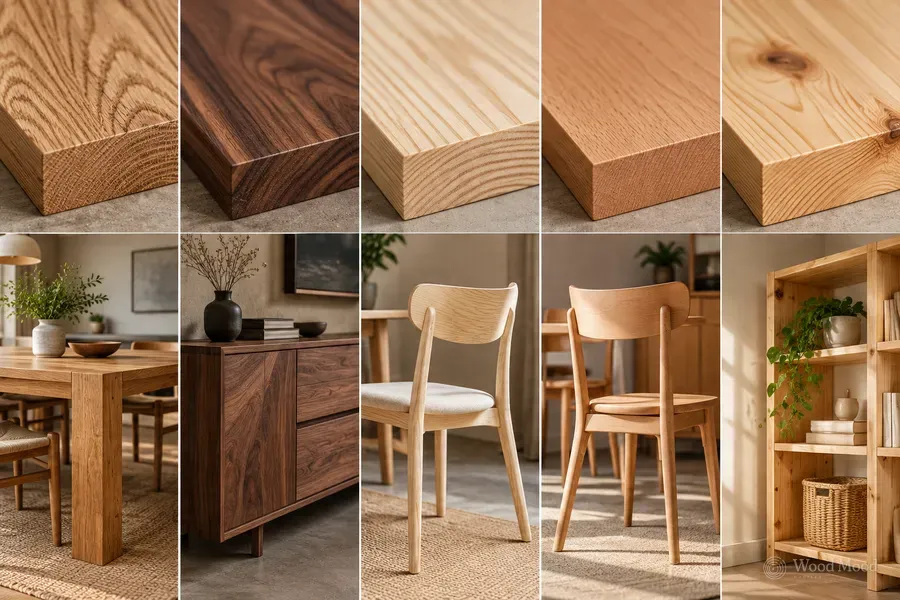
Solid wood is made entirely of natural timber. In suitable conditions it can be sanded and refinished.
Natural wood veneer is a thin layer of real wood applied to a base board such as MDF. Because the veneer is thin, deep sanding can damage the surface.
Lacquered and varnished surfaces are covered with a protective film. On these surfaces, abrasive treatments can cause differences in colour and sheen.
Some small repairs are easier on oiled solid wood, while painted and varnished furniture may need professional work.
Water stains on wooden furniture
Marks left by glasses, vases or hot dishes are among the most common problems on wooden furniture.
White water rings
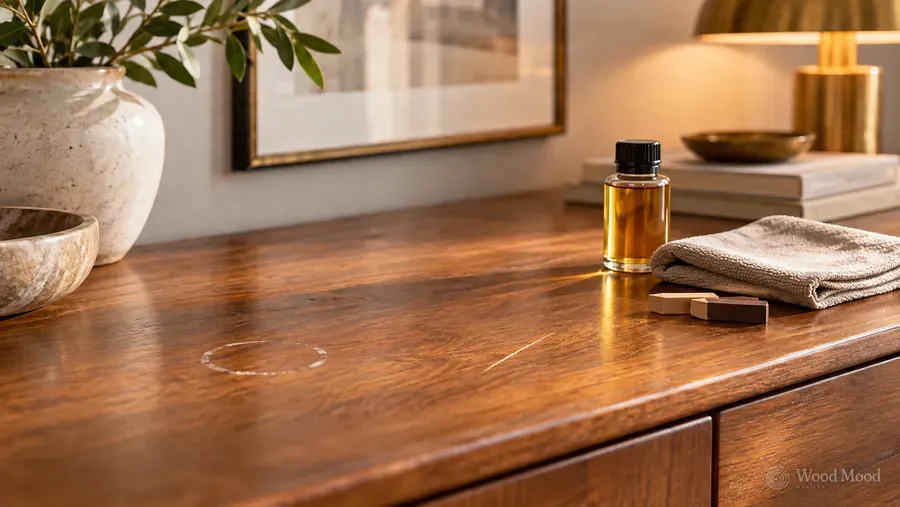
Whitish rings are usually caused by moisture affecting the protective surface layer, such as varnish.
With fresh stains, first dry the surface and leave it for a while. Some marks may fade on their own in normal room conditions.
If the stain stays, use a care or repair product suited to the type of surface.
Avoid irons, hairdryers and similar heat treatments. These methods can permanently damage the protective layer.
Dark water stains
Black or dark brown stains can show that moisture has reached the wood itself.
Stains like these usually cannot be removed by wiping alone. The surface may need to be refinished.
On veneered furniture in particular, professional repair should be preferred so that the thin layer of wood is not damaged.
How are scratches on wooden furniture removed?
The most important distinction in repairing scratches is whether the mark is only in the protective layer or in the wood itself.
Surface scratches
On oiled solid wood, light scratches can become less visible with a care oil compatible with the finish used.
The same method should not be used on varnished and lacquered surfaces. Unsuitable polishes or abrasive products can cause differences in sheen that are more noticeable than the scratch.
Deep scratches
For scratches that go into the wood, touch-up pens and filler wax sticks in a colour that matches the surface can be used.
These products make scratches less visible rather than removing them completely.
On solid wood, a more thorough refinishing of the surface may be possible. On veneered and lacquered surfaces, professional touch-up or replacing the part may be needed, depending on the depth of the damage.
Knocks and small dents
Hard objects hitting the edges of furniture can cause small dents in the wood.
On solid wood, some shallow dents where the fibres are only compressed can be reduced with suitable methods. Where the fibres are broken or a piece of wood has come away, filling and surface repair are needed.
Do not try to remove dents on lacquered and veneered surfaces using water or heat.
If a piece has broken off, it is important to keep it. Fixing the original piece back in place properly can, in some cases, give a more natural result than filler.
How do you clean other stains?
Grease stains: on varnished surfaces, a slightly damp cloth and a suitable neutral cleaner can be used. On oiled solid wood, the stain may have soaked into the wood; in that case the stained area can be lightly sanded and re-oiled, or you can get help from a craftsperson.
Candle wax: wait for the wax to harden. Then lift it off carefully with a plastic card, without scratching the surface.
Sticky residue: first use a soft cloth and a cleaner suited to the surface. Avoid strong solvents.
Ink stains: fresh stains can be cleaned on suitable surfaces with a slightly damp cloth. Stains that have soaked into the wood may need professional treatment.
Colour changes caused by sun: differences in tone caused by sunlight cannot be removed by normal cleaning. The whole surface may need to be refinished to even out the colour.
Refreshing oiled solid wood surfaces
Oiled solid wood furniture can become dull over time or lose its protective qualities.
In this case, the surface can be refreshed with a suitable care oil.
First the surface is cleaned and left to dry completely. If necessary, and if the existing finish allows, very light sanding is done. Then a thin coat of care oil compatible with the product used before is applied, following the manufacturer’s instructions.
It is important to wipe off excess oil from the surface. Otherwise a sticky layer can form.
Important: cloths soaked in oil can ignite spontaneously. After use they should be spread out to dry in the open air or left in a covered metal container full of water.
This treatment should not be applied casually to lacquered, varnished or veneered surfaces.
Which damage needs professional repair?
With some surface damage, tackling it at home can raise the cost of repair.
We recommend getting professional help in the following cases in particular:
- Veneer that is bubbling, lifting or coming away
- Cracking or chipped paint on lacquered surfaces
- Dark water stains that have soaked into the wood
- Obvious differences in colour and sheen over large surfaces
- Deep dents and broken-off corner pieces
Knowing the material and surface finish of the furniture makes it easier to decide on the right repair method.
Protect your furniture with small precautions
A large share of the damage that can occur on wooden furniture can be prevented through everyday habits.
Using coasters under glasses, wiping up spills straight away, and not exposing furniture to direct strong sunlight and heat sources are simple but effective precautions.
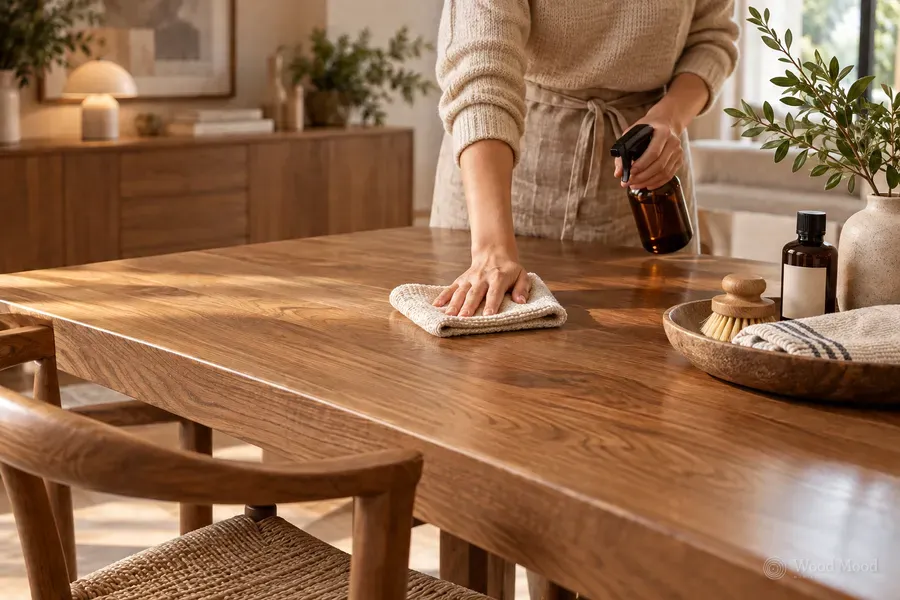
Using soft cloths and products suited to the surface for cleaning also helps the protective layer last longer.
At Wood Mood Furniture, we choose the surface finishes used on our furniture according to the needs of the area where it will be used. At handover, we give guidance on the properties of the material and suitable care methods.
How long wooden furniture lasts depends on the right care and timely action as much as on choosing the right material.