The distinctive smell of newly bought furniture usually comes from volatile compounds released into the air by the panels, paints, varnishes and adhesives used in it.
We spend a large part of our time indoors at home, so the effect of furniture materials on indoor air quality deserves attention.
The right materials, careful manufacturing details and regular ventilation are the basic steps towards better air quality in your living spaces.
Why does new furniture smell?
The smell of new furniture depends on the materials and surface treatments used.
Wood-based panels, adhesives, paints and varnishes can release various volatile organic compounds (VOCs) into the air over time.
This release is usually most noticeable when the piece is new and can fade with time. Room temperature, humidity and ventilation also affect the process.
A weak smell does not necessarily mean a product has low emissions, though. Some compounds can enter the air without producing a noticeable odour.
What is formaldehyde?
Formaldehyde is a volatile compound associated with the resins used to make some of the wood-based panels found in furniture.
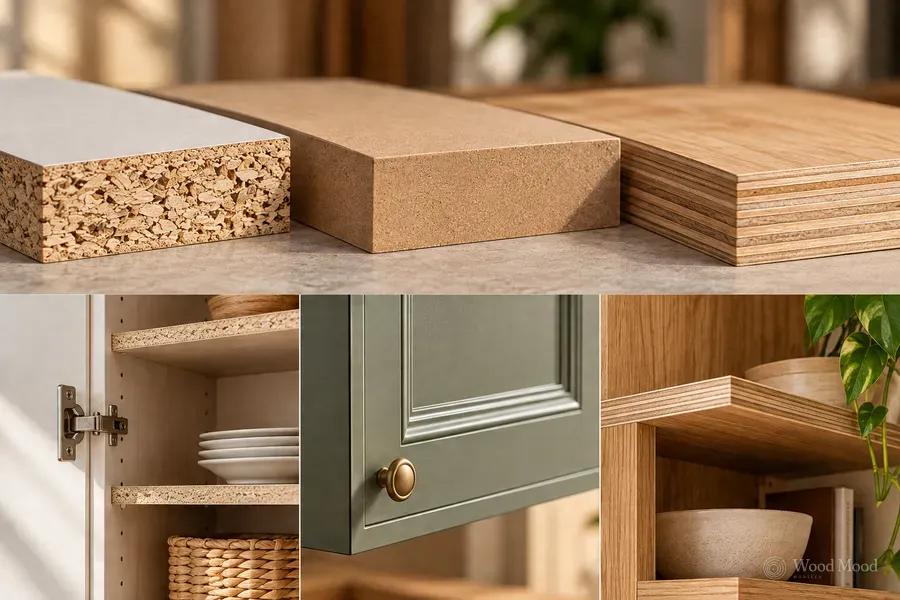
Formaldehyde release from materials such as MDF, chipboard and plywood can vary with the glue system and the manufacturing conditions.
High concentrations of formaldehyde can irritate the eyes, nose and throat.
This is why the emission properties of the panels used in furniture manufacturing matter.
What does the E1 emission class mean?
Wood-based panels can be classified by their formaldehyde release, measured with specific test methods.
Class E1 is a classification used in European standards. It shows that the panel meets set formaldehyde emission limits.
E1 does not mean, however, that the material is completely free of formaldehyde.
On some products you may also come across E0, E0.5 or other low-emission labels. These do not always rest on the same standard, so check the manufacturer’s technical documents and the test method applied.
When choosing furniture, it is sensible to look at the technical properties of the panels as well as the appearance of the piece.
Why edge banding and surface finishes matter
It is not only the visible faces of furniture panels that matter, but also their cut edges.
Edge banding and suitable surface finishes protect the exposed parts of a panel and can help limit the release of some compounds.
Pay particular attention to these details:
- Cut edges of cabinet carcasses and shelves
- The insides and bases of drawers
- Back panels of cabinets
- Holes drilled for pipework and cable runs
Sealing the edges properly also helps protect the furniture from moisture and lets it last longer.
How paints and varnishes affect air quality
The products used for lacquer, varnish and other surface treatments can also affect the air indoors.
Water-based paint and varnish systems can, with the right product, contain fewer volatile organic compounds than some solvent-based alternatives.
But a product’s environmental properties should not be judged only on whether it is water-based. Its technical data and the conditions of application matter too.
Paints and varnishes must also be given the time they need to dry and cure fully.
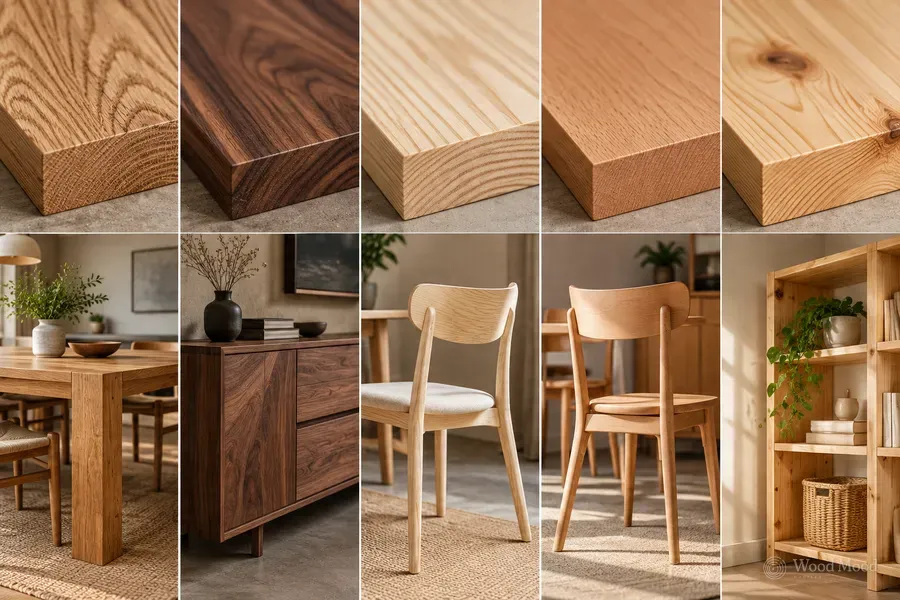
Nor should you assume that solid wood releases no volatile compounds at all. Natural timber species, surface oils and adhesives can also give off various volatile compounds.
Ventilation tips for new furniture
One of the most effective ways to improve indoor air quality is to renew the air regularly.
Pay extra attention to ventilation in the first days after new furniture is installed.
- Open the windows at regular intervals during the day.
- If you can, create a through-draught with windows on opposite sides.
- Leave the doors and drawers of new cabinets open for a while so the insides air out.
- Do not raise the room temperature more than necessary.
- Use extractor fans in kitchens and bathrooms properly to prevent moisture build-up.
In rooms that are used for long periods, such as bedrooms and children’s rooms, the choice of furniture materials and your ventilation habits matter especially.
Are air purifiers enough?
Depending on the filter used, air purifiers can reduce some pollutants in indoor air.
HEPA filters are effective at trapping particles such as dust and pollen. Gases such as formaldehyde need suitable gas-filtration technology.
Devices like these can help, but on their own they do not replace regular ventilation or cutting down the sources of pollution.
Likewise, houseplants are useful as decoration, but they are no substitute for effective ventilation in normal home conditions.
What to look for when choosing furniture
When you commission new furniture, asking about the materials and manufacturing details helps you make a better-informed choice.
The answers to these questions matter most:
- What is the emission class of the MDF and other panels used?
- Are technical documents available for the materials?
- How are the cut panel edges sealed?
- Which paint, varnish and adhesive systems are used?
- Are the required curing times for the surface treatments observed?
This information helps you judge not only how the furniture looks but also how it will perform over the long term.
For better indoor air quality
Furniture is only one of the factors that affect indoor air quality. The building materials, cleaning products, room temperature, humidity and ventilation should be considered together with it.
At Wood Mood Furniture, we consider material properties, the intended use and manufacturing details together in every furniture design. We want our customers to know about the materials chosen and to learn the right conditions for use and care. We share the emission class of the panels we use, and the related documents, on request.
Informed material choices and regular ventilation are important parts of creating a better indoor environment.