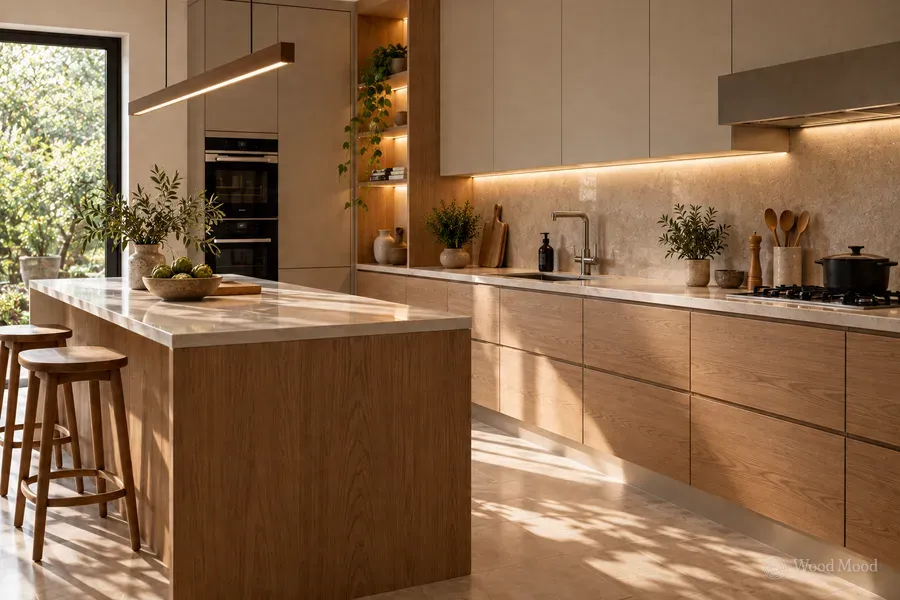
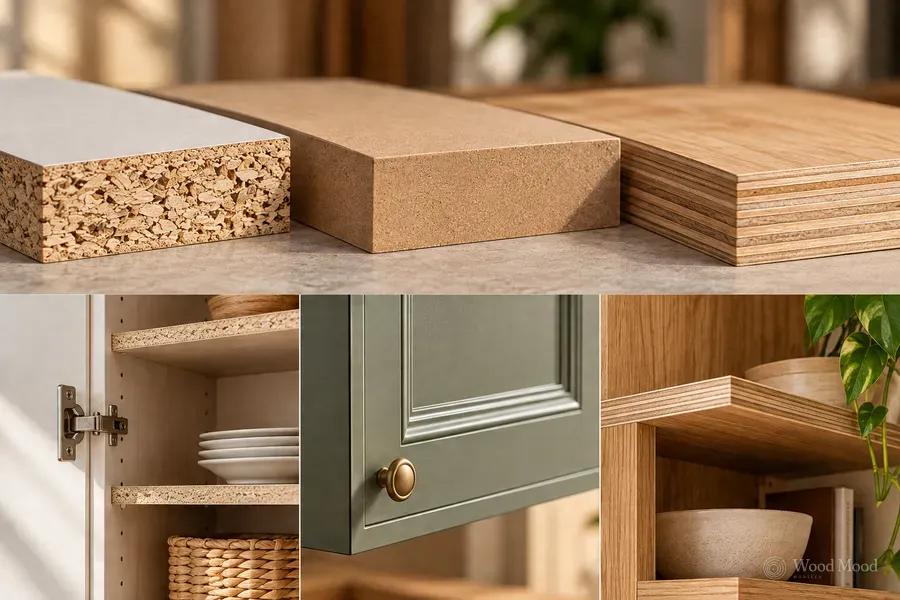
The worktop is one of the most heavily used surfaces in the kitchen. Preparing food, chopping vegetables, setting down hot pans and cleaning every day all subject it to a range of stresses.
So when choosing a kitchen worktop, look beyond colour and appearance to how well the material resists heat, scratches, water and stains.
Quartz, granite, marble, porcelain and solid wood are among the options chosen for kitchens, each with different properties. Every material has its advantages and points to watch.
Quartz composite worktops
Quartz composite worktops are made by combining filler materials containing quartz mineral with resin and pigments.
Their non-porous surfaces resist stains and liquid absorption well in daily use. They come in a wide range, from plain colours to veined patterns that resemble natural stone.
Advantages:
- Resistant to stains and liquid absorption.
- Easy to clean day to day.
- Does not need regular protective sealing.
- Can be made in different colours and patterns.
Points to watch: because of the resin it contains, it can be sensitive to high heat and sudden temperature changes. Use a trivet for hot pots and pans.
Quartz is one of the suitable options if you want a heavily used worktop that does not need much upkeep.
Granite worktops
Granite is made by cutting and processing blocks of natural stone. With its hard structure and distinctive mineral patterns, it has been used in kitchens for many years.
The veining and colour distribution of every granite slab is different. This gives the kitchen a natural, one-off look.
Advantages:
- Highly resistant to scratching.
- Highly heat resistant.
- Gives a natural stone look.
- Long-lasting with proper installation and care.
Points to watch: some types of granite can be porous and may need a protective treatment against staining. It is also a heavy material; the units and fixings must be suitable for the load.
Marble worktops
Marble is chosen especially for bespoke kitchens for its natural veining and elegant look.
It is available in white, cream, grey and other colours. Because every slab is unique, it gives the kitchen a surface with character.
Marble is a more sensitive material than granite, however.
Advantages:
- Offers unique veining and colour variation.
- Creates a natural, classic look.
- Its cool surface suits pastry and dough work.
Points to watch: lemon, vinegar and similar acidic products can dull the marble surface. Oils and coloured liquids can also stain it.
Marble suits users who accept the marks natural stone can acquire over time and who are willing to look after it regularly.
Porcelain and sintered worktops
Porcelain and sintered surfaces are made from mineral-based materials processed at high temperatures.
They are chosen especially for modern kitchens, for their slim look, wide choice of patterns and durability.
Advantages:
- Highly heat resistant.
- Resistant to stains and scratching.
- Very low water absorption.
- Can offer natural stone, concrete and plain-colour looks.
Points to watch: edges and corners in particular can be sensitive to hard knocks. Cutting, sink cut-outs and installation need equipment and expertise suited to the material.
They are options to consider if you want a large-format, slim-looking worktop.
Solid wood worktops
Solid wood worktops are made by joining pieces of natural timber using suitable methods.
Species such as oak, walnut and beech can be used. The warm colour and texture of the wood are favoured especially in kitchens where natural materials take centre stage.
Advantages:
- Gives a natural, warm look.
- Can be sanded and refinished in suitable conditions.
- Different colours and surface finishes can be applied.
Points to watch: wood can be affected by changes in moisture. Long contact with water can cause staining or deformation.
How much care it needs depends on the surface finish used. Oiled surfaces need renewing at intervals, while varnished surfaces have different care requirements.
Solid wood can be used across the whole kitchen, or chosen for particular areas such as an island, breakfast bar or dining area.
Worktop materials compared
Materials | Main feature | Watch out for |
|---|---|---|
Quartz | Stain resistance and easy care | High heat |
Granite | Hardness and natural look | Staining and care needs depending on the stone |
Marble | Distinctive veining | Acids and stains |
Porcelain | Heat, stain and scratch resistance | Edge knocks |
Solid wood | Natural texture and ability to be refinished | Water, heat and surface care |
These properties can vary with the type of material, manufacturing quality and surface finish.
Worktop thickness, edge and sink choice
The thickness of the worktop, its edge profile and the sink fixing matter as much as the material.
Worktop thickness: slim worktops give a modern, light look, while thick worktops make a stronger statement. Thickness and the supports needed should be set according to the technical properties of the material.
Edge profile: sharp-edged profiles look modern. Slightly rounded edges can be better against knocks and impact.
Sink type: inset sinks and undermount sinks have different installation requirements. For undermount sinks in particular, the section thickness of the material and the fixing details matter.
Joints: on long or L-shaped worktops, the joints should be planned in advance. Where the worktop meets the wall, it must also be made watertight.
Mistakes to avoid when choosing a kitchen worktop
Focusing on looks alone when choosing a worktop can cause unexpected problems in daily use.
The most common mistakes are these:
- Not considering the care needs of the material in a heavily used kitchen
- Planning the sink and hob cut-outs separately from the joints in the worktop
- Assuming hot pots and pans can be set directly on any material
- Not judging the worktop and cabinet doors together in real lighting
- Taking the final worktop dimensions before the units are in place
With heavy stone worktops in particular, the strength, levelness and load-bearing capacity of the units should be checked before installation.
The right worktop, the right kitchen
There is no single ideal worktop material for every kitchen.
In a heavily used kitchen where easy cleaning matters, quartz or porcelain are good choices. If you like the unique patterns of natural stone, you can consider granite or marble. For a warm, natural look, solid wood can be a good choice.
When choosing the worktop material, think about the colour of the cabinet doors, the kitchen lighting, the sink model and your everyday habits together.
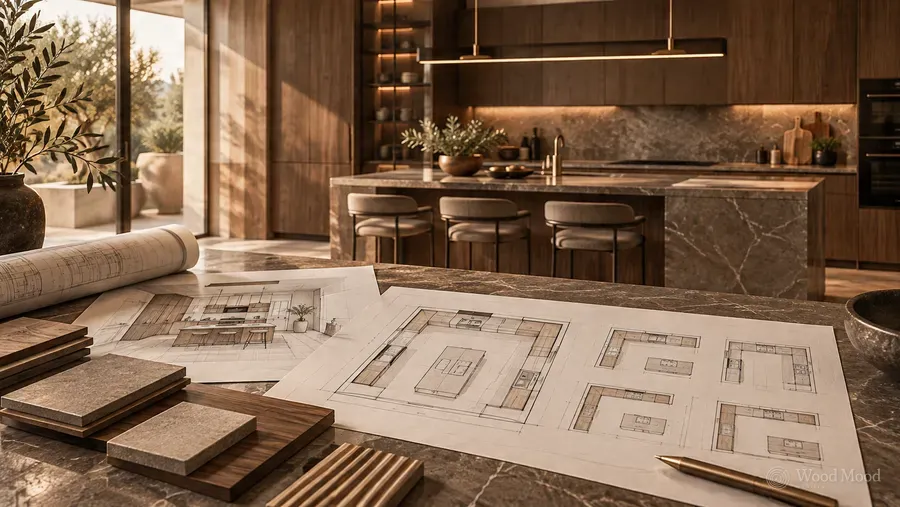
At Wood Mood Furniture, we consider worktop colour and material together with the units in our kitchen designs and settle the layout on 3D drawings.
The right kitchen worktop is one that combines the look you like with durability and care properties that suit how you use it every day.